


Kitchen Wrapping vs Replacing Cabinets: Which Offers Better Value?
A kitchen makeover can completely change the feel of a home, but many homeowners hesitate because they assume every renovation comes with a high price tag. In reality, there are several ways to refresh an outdated space without committing to a full renovation. One increasingly popular option is kitchen wrapping, which allows existing cabinet surfaces to be updated with high-quality architectural vinyl.
Choosing between wrapping existing cupboards and replacing them entirely depends on several factors, including the condition of the cabinets, your budget, your design goals, and how long you plan to stay in the property. While a full replacement offers complete freedom in terms of layout and construction, it also involves considerably higher costs, longer installation times, and more disruption.
Before making a decision, it helps to understand the advantages and limitations of both approaches. Looking beyond the initial price can help you determine which solution provides the best long-term value for your specific situation.
Understanding the Difference Between Wrapping and Cabinet Replacement
Although both options aim to improve the appearance of a kitchen, they are very different renovation methods.
Wrapping involves applying specialised vinyl film over existing cupboard doors, drawer fronts, side panels, and other visible surfaces. The original cabinet structure remains intact while the exterior receives an updated finish that can resemble wood, stone, matte colours, gloss finishes, or textured materials.
Replacing cabinets, on the other hand, means removing the existing cabinetry and installing completely new units. This often includes new carcasses, doors, hardware, hinges, and sometimes changes to the kitchen layout itself.
Some of the key differences include:
- Wrapping preserves the existing cabinet framework.
- Cabinet replacement removes the old units entirely.
- Wrapping generally requires less labour.
- Full replacement allows structural and layout modifications.
- Installation time varies significantly between the two options.
Understanding these differences makes it easier to compare their overall value rather than focusing only on the initial price.
Comparing the Overall Cost
For many homeowners, cost is the biggest deciding factor.
Replacing kitchen cabinets involves multiple expenses beyond simply purchasing new cupboards. Removal of the old cabinetry, disposal costs, new cabinet manufacturing, installation, plumbing adjustments, electrical work, wall repairs, and painting can all add to the final bill.
Wrapping typically avoids many of these additional costs because the original cabinets stay in place. As long as the cabinet boxes remain structurally sound, only the exterior finish changes.
This often makes wrapping one of the most affordable ways to modernise a kitchen without undertaking a major renovation. The savings can be substantial while still producing a dramatic visual transformation.
Of course, every project differs depending on kitchen size, cabinet condition, material selection, and the complexity of the design.
Appearance and Design Options
Years ago, vinyl finishes offered relatively limited design choices. Modern architectural films are very different.
Today’s materials are available in a wide variety of colours, textures, and finishes that closely imitate natural materials. Homeowners can choose from warm timber effects, clean matte colours, soft-touch finishes, concrete-inspired textures, metallic looks, or high-gloss surfaces.
Because the cabinet doors remain in place, wrapping can quickly create a contemporary appearance without altering the overall kitchen layout.
Cabinet replacement still provides the greatest design flexibility since everything can be customised, including:
- Cabinet sizes
- Internal storage solutions
- Door profiles
- Soft-close hardware
- Island configurations
- Pantry layouts
- Appliance placement
If the existing kitchen layout already works well, changing only the visible surfaces may provide all the visual improvement that is needed.
Durability and Lifespan
Durability depends heavily on product quality and professional installation.
High-quality wrapping materials are designed to withstand daily household use, including exposure to moisture, cleaning products, and moderate heat when installed correctly. Properly maintained finishes can continue looking attractive for many years.
Cabinet replacement may offer a longer overall lifespan, particularly when premium materials and solid construction are used. However, this comes with a considerably higher investment.
The condition of the original cabinets also matters. Wrapping is most suitable when the cabinet frames remain sturdy, level, and free from significant water damage or structural problems.
If cupboards are swollen from moisture, falling apart, or poorly constructed, replacing them may ultimately be the better long-term investment.
Installation Time and Household Disruption
One factor that many people underestimate is how disruptive a renovation can become.
Replacing cabinets often requires demolition work, removal of existing fittings, installation of new units, adjustments to plumbing and electrical systems, countertop modifications, and finishing work. Depending on project complexity, this process can take several weeks.
Wrapping is generally much faster because there is no demolition involved.
Cabinets remain in place while surfaces are carefully prepared and covered with the selected finish. In many cases, the kitchen remains functional for much of the project, reducing inconvenience for the household.
Less dust.
Less noise.
Less mess.
For busy families, these practical advantages can be just as valuable as the financial savings.
Environmental Considerations
Home renovations generate significant amounts of waste, particularly when entire kitchens are removed.
Cabinet replacement often results in usable timber, composite boards, hardware, and other materials being discarded unless they are recycled or repurposed.
Wrapping extends the life of existing cabinetry by reusing the current cabinet structures instead of sending them to landfill. From a sustainability perspective, making use of cabinets that remain structurally sound can reduce unnecessary waste while lowering the demand for new materials.
For environmentally conscious homeowners, preserving functional components can be an important consideration alongside budget.
When Replacing Cabinets Makes More Sense
Although wrapping offers excellent value in many situations, there are cases where replacement is the better option.
You may want to consider complete replacement if:
- The cabinet boxes have severe structural damage.
- Water damage has weakened the material.
- You want to completely redesign the kitchen layout.
- Additional storage space needs to be created.
- Existing cabinets were poorly built and cannot be repaired effectively.
- Major plumbing or appliance changes require entirely new cabinetry.
In these situations, investing in new cabinets may deliver better long-term performance despite the higher initial cost.
Which Option Delivers Better Value?
Value is about far more than choosing the cheapest solution.
A lower-priced project that meets your needs, lasts for years, and improves the appearance of your home can often represent outstanding value. On the other hand, paying more for a complete replacement may be worthwhile if your kitchen requires structural improvements or a complete redesign.
The right choice depends on balancing several factors:
- Current cabinet condition
- Available renovation budget
- Desired appearance
- Long-term property plans
- Expected return on investment
- Time available for renovation
Carefully evaluating these factors helps ensure that money is spent where it delivers the greatest benefit.
For homeowners whose cabinet frames remain solid and functional, kitchen wrapping often provides an attractive balance between affordability, aesthetics, and convenience. It delivers a refreshed, modern appearance without the significant cost and disruption associated with replacing every cabinet.
Ultimately, the best investment is the one that matches your home’s condition, your renovation goals, and your budget. By carefully assessing the state of your existing cupboards before making a decision, you can confidently choose an option that enhances both the appearance and value of your kitchen for years to come.

How Land Use Planning Affects Commercial and Residential Expansion
Living in rapidly growing urban and peri-urban areas requires careful coordination between infrastructure, housing demand, and environmental protection. One of the most influential mechanisms guiding this balance is how authorities and professionals apply land use planning in shaping cities, towns, and developing regions. It determines where people can build homes, establish businesses, and preserve natural spaces.
When done effectively, spatial planning supports orderly expansion while reducing conflict between competing land uses. Poorly managed growth, on the other hand, can lead to congestion, service delivery strain, and inefficient settlement patterns. These outcomes directly affect both economic opportunity and quality of life.
Understanding how development decisions are structured helps property owners, investors, and communities make informed choices. It also highlights why municipal frameworks and zoning systems matter so much in long-term urban sustainability.
Understanding the Role of Spatial Structuring in Development
At its core, urban expansion depends on structured decision-making about how land is allocated and used. Authorities use zoning schemes, spatial frameworks, and development guidelines to ensure that residential, commercial, industrial, and mixed-use areas are appropriately positioned.
This system is not static. It evolves as population growth, infrastructure demands, and economic activity shift over time. For example, a once-residential suburb may gradually transition into a mixed-use corridor as demand for retail and office space increases.
In practice, the discipline of land use planning helps prevent incompatible developments from occurring side by side, such as heavy industry next to residential housing. It also ensures that essential services like schools, healthcare facilities, and transport networks are integrated into growing communities.
Well-structured spatial systems are also crucial for environmental protection. Wetlands, floodplains, and conservation areas must be identified and preserved to reduce long-term ecological risks and infrastructure damage.
Key Factors That Shape Urban and Commercial Growth
Several interconnected elements determine how cities and towns expand over time. These factors influence investment decisions, property values, and the overall functionality of built environments.
One of the most important drivers is infrastructure availability. Roads, electricity supply, water systems, and public transport networks often dictate where development can realistically occur. Without these, even high-demand areas may remain underdeveloped.
Economic trends also play a major role. Commercial hubs tend to form around areas with high foot traffic, accessibility, and workforce availability. Residential growth typically follows job opportunities, creating a dynamic relationship between living spaces and employment zones.
Environmental constraints further shape expansion. Areas prone to flooding, steep slopes, or ecological sensitivity may be restricted or require special development approvals.
A structured approach to spatial development typically considers:
- Population growth projections and housing demand
- Existing infrastructure capacity and upgrade requirements
- Environmental risk zones and conservation priorities
- Economic development goals and employment distribution
- Transportation corridors and accessibility networks
These elements must be balanced carefully to avoid urban sprawl, inefficient land consumption, or infrastructure overload.
How Planning Decisions Influence Property Markets
Property markets are highly sensitive to regulatory frameworks and zoning changes. When an area is rezoned for higher density or commercial use, property values can increase significantly due to improved development potential.
Conversely, restrictive zoning can limit investment opportunities, particularly in areas where demand for development exceeds supply. This makes regulatory certainty a key factor for developers and investors.
Municipal decisions also affect the timing of development approvals. Delays in rezoning applications or subdivision permissions can slow down housing delivery and commercial expansion.
Effective coordination between municipal authorities and private developers ensures that growth aligns with infrastructure capacity. This reduces the risk of overburdening services such as water supply, waste management, and road networks.
In many growing cities, particularly in regions experiencing rapid urbanisation, structured frameworks guide how neighbourhoods transition from low-density residential areas into more complex urban environments.
Managing Residential Expansion in Growing Cities
Residential growth requires more than just allocating space for housing. It involves ensuring that communities are livable, connected, and supported by essential services.
As cities expand outward, planners must consider commuting patterns, affordability, and access to amenities. Poorly planned expansion often results in long travel times, fragmented neighbourhoods, and unequal access to services.
A well-coordinated system ensures that housing developments are integrated with schools, healthcare facilities, public transport routes, and employment nodes.
Developers and municipalities often rely on phased development strategies to manage this growth effectively. These strategies help ensure that infrastructure is delivered in step with housing demand rather than lagging behind it.
Risks of Poor Spatial Coordination
When development occurs without sufficient planning oversight, several challenges can emerge. These may include informal settlement growth, infrastructure strain, and environmental degradation.
Inconsistent zoning enforcement can also create uncertainty for investors and homeowners. This uncertainty can slow down economic activity and reduce confidence in long-term development projects.
Poor coordination between different government departments may result in overlapping approvals or contradictory land use decisions. This highlights the importance of integrated governance in managing urban growth.
Common issues associated with weak development control include:
- Traffic congestion due to inadequate transport planning
- Insufficient public service capacity in fast-growing suburbs
- Loss of green spaces and ecological buffers
- Increased flooding risk from unmanaged stormwater systems
- Uneven distribution of economic opportunities
Addressing these challenges requires long-term strategic thinking rather than short-term reactive decisions.
The Link Between Commercial Development and Urban Structure
Commercial expansion depends heavily on accessibility, visibility, and infrastructure support. Retail centres, office parks, and industrial zones typically cluster in areas where transport links are strong and workforce access is efficient.
As cities expand, commercial nodes often develop along major roads or near public transport hubs. This reduces commuting time and improves economic efficiency.
The interaction between residential and commercial areas must be carefully balanced. Too much separation can lead to commuter congestion, while excessive mixing without proper design can create land use conflicts.
In many modern urban systems, mixed-use development is becoming more common. This approach combines residential, commercial, and recreational spaces within a single area, improving convenience and reducing travel distances.
Strategic Considerations for Sustainable Growth
Long-term urban sustainability depends on aligning development with environmental capacity and infrastructure planning. Decision-makers must evaluate not only current demand but also future population and economic trends.
Key principles often include compact city design, efficient transport integration, and preservation of ecological assets. These principles help reduce urban sprawl and improve resource efficiency.
Stakeholders involved in development should also consider social equity. Ensuring that housing, services, and employment opportunities are distributed fairly contributes to more inclusive urban environments.
A coordinated approach to expansion reduces long-term costs for municipalities and improves resilience against infrastructure failure or environmental shocks.
Ultimately, effective spatial governance provides a foundation for stable, predictable, and balanced growth that benefits both residential communities and commercial stakeholders.

Electrician Cape Town: Emergency Electrical Services and When You Need Them
Electrical issues rarely happen at a convenient time. Whether it’s a sudden power outage, exposed wiring, or a burning smell from a switchboard, these situations demand immediate attention. Ignoring early warning signs can escalate a minor fault into a serious hazard, affecting both safety and property value.
For homeowners and business operators alike, knowing when to call for urgent assistance is critical. Electrical systems are complex, and attempting to fix faults without proper training can lead to further damage or personal injury. That’s why professional intervention is not just helpful—it’s essential.
Many people only consider calling an electrician when something goes visibly wrong. However, understanding the role of an electrician Cape Town residents rely on during emergencies can help prevent long-term damage and ensure compliance with safety standards.
What Qualifies as an Electrical Emergency
Not every electrical issue is urgent, but some situations require immediate action. An electrical emergency typically involves risks such as fire, electric shock, or complete power failure. These scenarios can disrupt daily life and pose serious safety threats.
A sudden loss of electricity, especially when isolated to a single property, often indicates a deeper issue within the internal wiring or distribution board. While power outages caused by the grid are common, localized failures should never be ignored.
Burning smells, sparks from outlets, or buzzing sounds from electrical panels are also red flags. These symptoms often point to overheating components or faulty connections, both of which can lead to electrical fires if left unresolved.
Common Causes of Emergency Electrical Issues
Electrical emergencies rarely happen without a cause. In many cases, they stem from aging infrastructure, poor workmanship, or overloaded circuits. Understanding these causes can help property owners take preventative measures.
Old wiring systems are a frequent culprit, especially in older homes. Over time, insulation deteriorates, connections loosen, and components become less reliable. This increases the risk of short circuits and power surges.
Another common issue is circuit overload. Modern households use significantly more electrical devices than older systems were designed to handle. Plugging too many appliances into a single circuit can cause breakers to trip or wires to overheat.
Weather-related damage is also a factor. Heavy rain, flooding, or lightning strikes can compromise electrical systems, leading to unexpected failures. In such cases, immediate inspection is necessary to ensure safety.
Why Immediate Professional Response Matters
Delaying repairs during an electrical emergency can have serious consequences. What starts as a minor fault can quickly escalate into a dangerous situation. Fires, equipment damage, and even injury are all potential outcomes.
A qualified professional has the tools and expertise to diagnose problems accurately and implement safe solutions. They can identify underlying issues that may not be visible to the untrained eye, ensuring that the problem is resolved at its source.
In addition, emergency services often include temporary fixes to restore power safely, followed by permanent repairs. This approach minimizes disruption while maintaining safety standards.
Safety Risks You Should Never Ignore
Electrical faults can be deceptive. What appears to be a minor inconvenience may actually be a sign of a serious underlying issue. Recognizing these risks is key to preventing accidents.
Exposed wires, for example, pose an immediate shock hazard. Even low-voltage systems can cause injury under certain conditions. Similarly, water near electrical components significantly increases the risk of electrocution.
Frequent circuit breaker trips should not be dismissed as a nuisance. They are designed to protect your system, and repeated tripping indicates an ongoing problem that needs attention.
Flickering lights may seem harmless, but they can signal unstable voltage or loose connections. Over time, this can damage appliances and increase the likelihood of electrical fires.
The Role of Emergency Electrical Services
Emergency electrical services are designed to respond quickly and effectively to urgent situations. These services operate outside of standard business hours, ensuring that help is available when it’s needed most.
Professionals in this field are trained to handle high-risk scenarios. They follow strict safety protocols and use specialized equipment to assess and repair faults. This ensures that all work meets regulatory standards and reduces the risk of future issues.
In many cases, these services also include inspections and compliance checks. This is particularly important for property owners who need to meet legal requirements or prepare for property transactions.
When to Call for Urgent Assistance
Knowing when to seek help can make all the difference. Some situations clearly require immediate attention, while others may seem less urgent but still need professional evaluation.
You should consider calling an electrician Cape Town homeowners trust if you experience persistent electrical issues that do not resolve on their own. Waiting too long can lead to more extensive damage and higher repair costs.
If you notice any signs of overheating, such as warm outlets or discolored switches, it’s important to act quickly. These symptoms often indicate internal faults that can worsen rapidly.
Power fluctuations, especially those affecting multiple appliances, should also be investigated. They can damage sensitive electronics and signal instability within the system.
Preventative Measures to Reduce Risk
While not all emergencies can be avoided, many can be prevented with proper maintenance and awareness. Regular inspections are one of the most effective ways to identify potential issues before they become serious.
Upgrading outdated wiring and electrical panels can significantly reduce the risk of failure. Modern systems are designed to handle higher loads and include improved safety features.
It’s also important to use electrical appliances responsibly. Avoid overloading circuits, and ensure that all devices are in good working condition. Damaged cords or faulty equipment should be repaired or replaced तुरंत.
Toward the end, keep these key precautions in mind:
- Schedule routine electrical inspections to catch early warning signs
- Replace old or damaged wiring before it fails
- Avoid using multiple high-power devices on a single circuit
- Install surge protection to safeguard appliances
- Keep electrical components away from water and moisture
Electrical emergencies are unpredictable, but they don’t have to be overwhelming. With the right knowledge and a proactive approach, risks can be minimized and safety can be maintained.
Understanding when to act and who to call ensures that problems are addressed quickly and effectively. Reliable support from an electrician Cape Town property owners depend on provides peace of mind, knowing that expert help is always within reach when it matters most.
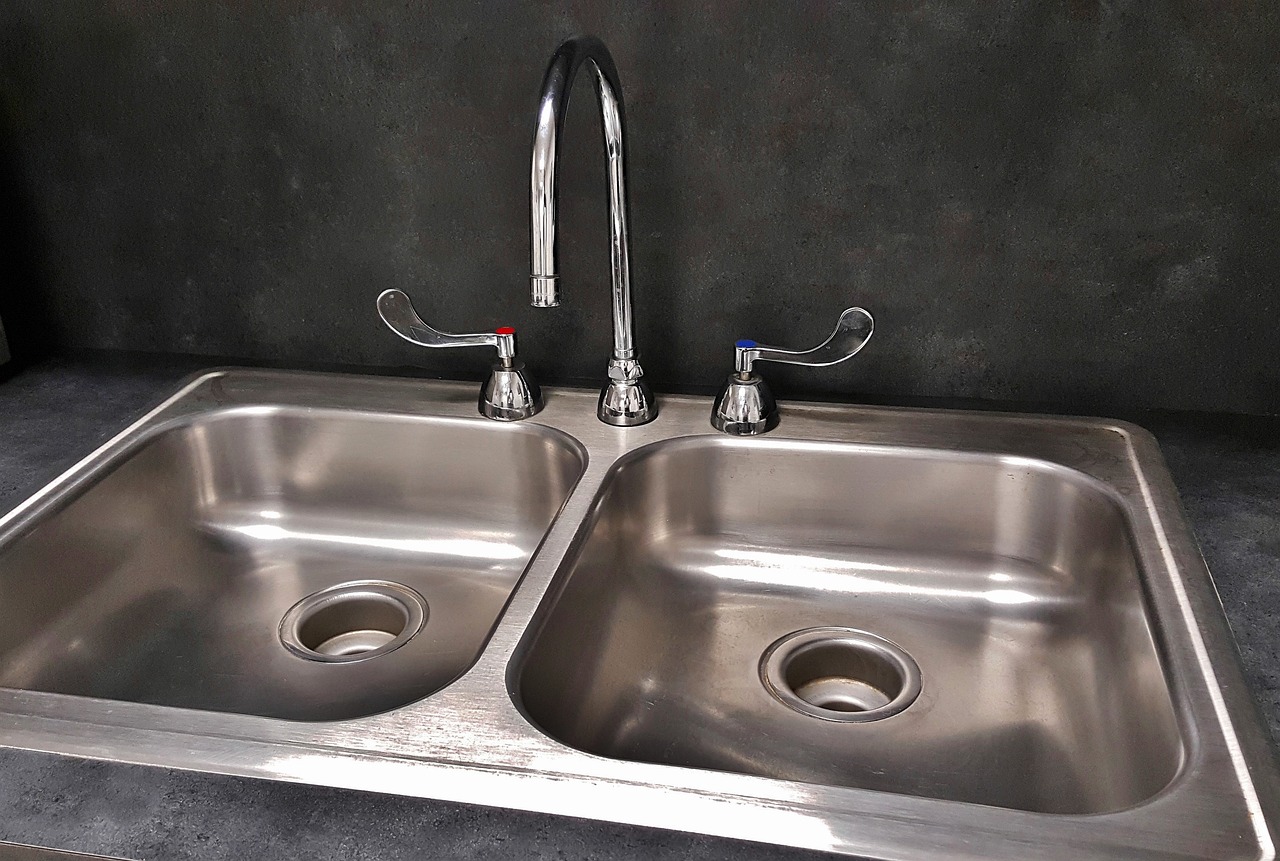
Common Signs Your Home Needs Immediate Plumbing Repairs
Plumbing issues inside a home are often underestimated until they become serious and costly problems. Small leaks, pressure changes, or drainage issues can quickly escalate into structural damage, mould growth, and water wastage if they are ignored for too long. Understanding early warning signs is essential for protecting both your property and your health.
Many homeowners delay addressing minor plumbing concerns because they seem manageable at first. However, what appears to be a small inconvenience can sometimes indicate a deeper issue within the system. In some cases, hidden pipe damage or underground leaks may already be developing without visible symptoms.
This is why timely awareness and action matter. Knowing when to seek professional help, and recognising patterns of deterioration early, can make a significant difference in preventing emergency repairs and unnecessary expenses. Even experienced homeowners often rely on skilled plumbers when the signs become unclear or persistent.
Slow Drains and Recurring Blockages
One of the earliest and most common indicators of plumbing trouble is slow drainage. When sinks, showers, or bathtubs take longer than usual to empty, it often suggests a partial blockage forming within the pipes. While occasional clogs can happen, recurring issues may point to deeper system obstructions.
Grease, soap residue, hair, and debris can build up over time, narrowing the pipe’s internal diameter. In more severe cases, tree roots may infiltrate underground lines, especially in older properties. These issues tend to worsen gradually, making early detection crucial.
If multiple drains in the home are slow at the same time, it is often a sign of a main line issue rather than isolated blockages. This is typically when homeowners begin considering whether professional intervention is necessary, especially when store-bought solutions no longer help.
Unusual Water Pressure Changes
Water pressure that suddenly drops or fluctuates is another warning sign that should not be ignored. Consistent pressure is essential for daily household tasks such as showering, washing dishes, and laundry. When it changes unexpectedly, it may indicate pipe leaks, sediment build-up, or valve issues.
In some cases, pressure problems are caused by municipal supply fluctuations. However, when the issue is isolated to a single property, internal plumbing faults are more likely. Air trapped in the system or hidden leaks can also disrupt steady flow.
Persistent pressure inconsistencies can strain appliances like geysers and washing machines, leading to premature wear and tear. Identifying the root cause early helps prevent more extensive damage to the plumbing network.
Leaks and Moisture Indicators
Visible leaks are among the most obvious signs of plumbing trouble, but not all leaks are easy to detect. Some occur behind walls, under floors, or within ceilings, where they slowly cause damage over time. Discolouration, peeling paint, or damp patches are often early indicators.
Unexplained moisture around fixtures, persistent musty odours, or warped surfaces should never be overlooked. Even small leaks can lead to significant water loss and structural weakening if left unresolved.
In situations where leaks are suspected but not visible, homeowners often turn to qualified plumbers who use diagnostic tools to locate hidden issues without unnecessary damage to the property. This helps ensure accurate repairs and prevents further deterioration.
Strange Noises in Pipes
Unusual sounds coming from plumbing systems can signal underlying problems. Banging, rattling, or whistling noises are often associated with pressure irregularities or loose pipe fittings.
Water hammer, for example, occurs when flowing water is suddenly stopped, causing a shockwave through the pipes. This can loosen joints over time and increase the risk of leaks. Air pockets within the system may also produce gurgling sounds.
While occasional noises may not indicate serious damage, consistent or worsening sounds should be investigated. These acoustic signs often provide early clues before visible problems appear.
Water Discoloration and Odours
Changes in water appearance or smell are strong indicators that something is wrong within the plumbing system. Brown, yellow, or cloudy water may suggest rusting pipes, sediment build-up, or contamination from external sources.
Similarly, unpleasant odours coming from taps or drains can indicate bacterial growth or sewer line issues. These problems not only affect water quality but can also pose health risks if left untreated.
If discolouration or odours persist, it is important to stop using the affected water source and seek a professional assessment. Water quality issues are not always visible in the early stages, making regular monitoring essential.
Rising Water Bills and Hidden Leaks
A sudden increase in water bills without a corresponding change in usage is often a sign of hidden leaks. Even small, undetected leaks can waste large amounts of water over time, significantly increasing monthly costs.
These leaks may occur in underground pipes, within walls, or in faulty fixtures such as toilets and taps. Because they are not always visible, the only clue may be a gradual rise in water consumption.
When to Call a Professional
Knowing when to seek help can prevent minor issues from escalating. Homeowners should consider professional assessment when:
- Multiple plumbing issues occur at the same time
- DIY fixes fail to resolve recurring problems
- Water damage becomes visible in structural areas
- Unexplained increases in water usage appear on bills
- Strange smells or noises persist despite basic troubleshooting
At this stage, relying on experienced plumbers ensures that the problem is accurately diagnosed and properly repaired before it worsens.
Preventative Steps for Homeowners
Preventative maintenance plays a key role in reducing plumbing emergencies. Regular inspections, mindful water usage, and early attention to minor issues can significantly extend the lifespan of a home’s plumbing system.
Simple habits such as avoiding grease disposal in sinks, using drain covers, and checking for small leaks under sinks or around toilets can make a noticeable difference. Seasonal checks are also helpful, especially in older homes where pipes may be more vulnerable to wear.
Other useful preventative measures include:
- Monitoring water pressure regularly to detect sudden changes
- Inspecting visible pipes for rust, corrosion, or moisture
- Cleaning drains periodically to prevent build-up
- Ensuring outdoor plumbing is protected from root intrusion
- Scheduling routine system evaluations to catch early faults
These proactive steps help reduce the likelihood of unexpected breakdowns and improve overall system efficiency.
Final Considerations for Home Plumbing Health
Maintaining a safe and functional plumbing system requires attention, awareness, and timely action. Many serious plumbing failures begin as small, easily overlooked issues that gradually worsen over time. Recognising these early warning signs can prevent extensive property damage and unnecessary repair costs.
Homeowners who stay vigilant about changes in water flow, pressure, or quality are far more likely to avoid emergencies. Even subtle indicators, such as unusual odours or minor damp spots, can reveal deeper underlying issues.
Ultimately, consistent care and early intervention remain the most effective ways to ensure long-term plumbing reliability and home safety.

Preventing Frozen Pipes During Cold Weather
Cold weather can create serious problems for household plumbing systems. When temperatures drop sharply, the water inside pipes can freeze and expand, putting pressure on the pipe walls. If the pressure becomes too great, pipes may crack or burst, leading to expensive repairs and potential water damage inside the home.
Many homeowners underestimate how quickly pipes can freeze, especially during sudden cold snaps. Even in areas that do not experience extremely harsh winters, poorly insulated pipes or exposed plumbing can still be vulnerable. This is why taking preventative measures before temperatures drop is essential for protecting your home.
Professional advice from experienced Linden Plumbers often emphasizes that prevention is far easier and cheaper than dealing with a burst pipe emergency. Understanding the risks and applying a few practical strategies can significantly reduce the likelihood of frozen pipes and the costly damage that follows.
Why Pipes Freeze During Cold Weather
Pipes freeze when water inside them is exposed to temperatures at or below freezing for an extended period. As the water turns to ice, it expands. This expansion creates internal pressure within the pipe.
Contrary to what many people believe, pipes do not always burst exactly where the ice forms. The blockage caused by frozen water can trap pressure between the ice and a closed faucet. When that pressure builds high enough, it may cause the pipe to rupture at a weaker point somewhere along the line.
Several areas in a home are particularly susceptible to freezing:
-
Pipes located in unheated spaces such as basements, garages, or crawl spaces
-
Plumbing inside exterior walls
-
Outdoor hose bibs and irrigation lines
-
Pipes in poorly insulated roof spaces or attics
Understanding these vulnerable spots helps homeowners focus their preventative efforts where they are needed most.
Early Warning Signs of Frozen Pipes
Recognizing early signs of freezing can help prevent a small issue from turning into a major plumbing emergency. When temperatures drop significantly, pay attention to unusual plumbing behavior.
A common early sign is reduced water flow. If you turn on a faucet and only a small trickle appears, ice may already be forming inside the pipe.
Another indicator is frost on visible pipes. If exposed plumbing develops a thin layer of frost or feels extremely cold to the touch, freezing conditions are likely affecting the system.
Strange sounds may also occur. When pipes begin freezing, slight cracking or banging noises sometimes develop as ice forms and pressure builds.
If any of these warning signs appear, acting quickly can prevent further damage.
Practical Steps to Prevent Frozen Pipes
Preventative maintenance is the most effective way to protect plumbing systems during cold weather. By preparing your home in advance, you reduce the chances of pipes freezing when temperatures fall.
Below are some practical steps homeowners can follow:
-
Insulate exposed pipes – Pipe insulation sleeves or foam wrapping help retain warmth and protect vulnerable plumbing.
-
Seal gaps and cracks – Cold air entering through walls, windows, or foundations can lower temperatures around pipes. Sealing these gaps reduces exposure.
-
Disconnect outdoor hoses – Leaving hoses attached can trap water in outdoor faucets, which may freeze and expand inside the pipe.
-
Allow faucets to drip slightly – Running water is less likely to freeze. A slow drip can help relieve pressure in extremely cold conditions.
-
Keep cabinet doors open – In kitchens and bathrooms, opening cabinets allows warm indoor air to circulate around plumbing under sinks.
-
Maintain consistent heating – Avoid lowering indoor temperatures too much during cold nights, even when away from home.
These simple precautions can dramatically lower the risk of frozen pipes and keep plumbing systems operating smoothly throughout winter.
The Importance of Proper Pipe Insulation
Insulation is one of the most effective long-term solutions for preventing frozen pipes. Pipes located in colder areas of a home often lack sufficient protection from freezing temperatures.
Pipe insulation works by slowing heat loss. Even when the surrounding air becomes cold, insulated pipes maintain a more stable internal temperature, reducing the likelihood of freezing.
Different insulation materials are available, including foam sleeves, fiberglass wraps, and specialized thermal pipe tape. Each option provides varying levels of protection depending on the pipe location and environmental conditions.
Many homeowners choose to install basic insulation themselves. However, more complex systems—such as pipes running through exterior walls—may require professional installation. In these cases, qualified Linden Plumbers can identify vulnerable areas and recommend appropriate insulation solutions that provide lasting protection.
What to Do If a Pipe Freezes
Despite preventative efforts, pipes may still freeze during particularly severe weather. Acting quickly and carefully can help prevent the situation from escalating into a burst pipe.
If you suspect a pipe has frozen, follow these general guidelines:
-
Turn on the faucet connected to the frozen pipe to relieve pressure.
-
Apply gentle heat to the pipe using a heating pad, hair dryer, or warm towels.
-
Start warming the pipe near the faucet and move toward the colder section gradually.
-
Never use open flames or blowtorches to thaw plumbing.
If the frozen section cannot be located or the pipe remains blocked, it is best to contact trained professionals who have the proper tools and experience to address the problem safely.
Long-Term Plumbing Protection for Cold Seasons
Preventing frozen pipes is not just about responding to cold weather—it involves planning ahead and maintaining plumbing systems throughout the year.
Routine inspections can identify weaknesses before winter arrives. Cracked insulation, aging pipes, or poorly sealed wall openings all increase the likelihood of freezing during cold temperatures.
Homeowners also benefit from scheduling periodic plumbing assessments. Professionals can examine exposed pipes, water pressure levels, and insulation coverage to ensure everything remains in good working condition.
Regular maintenance helps detect issues early and provides peace of mind during colder months. Many property owners rely on trusted Linden Plumbers for seasonal inspections that identify vulnerabilities before freezing temperatures create serious damage.
Taking proactive steps today can prevent major repairs tomorrow. By insulating pipes, sealing cold air leaks, and monitoring plumbing during winter, homeowners can protect their systems from freezing conditions and maintain reliable water flow throughout the coldest days of the year.

Why Property Owners Shouldn’t Overlook as built plans When Managing Their Buildings
When dealing with property documentation and future renovations, many owners overlook how vital accurate records are until something goes wrong. Before construction begins, drawings illustrate what should be built. But once the project is complete, it often differs from the original design due to site adjustments, client requests, or regulatory changes. This is where as built plans become invaluable. These drawings document the final constructed version of a building, right down to the smallest details such as electrical positioning and structural alterations. For anyone managing long-term maintenance or planning upgrades, having these records can prevent costly mistakes.
The second reason as built plans matter is compliance. Municipalities, engineers, and renovation specialists often rely on them when assessing safety, insurance requirements, and future work feasibility. Not having accurate plans can delay approvals, increase expenses, and expose property owners to legal risks. Beyond helping professionals, these documents empower property owners with a deeper understanding of their own asset, making it easier to communicate with contractors or architects later on.
Finally, as built plans provide transparency. Whether you are selling, extending, or refinancing your property, accurate visual documentation speeds up decision-making. Buyers and lenders are more likely to trust properties with complete and well-maintained records. Property owners who take a proactive approach benefit from smoother processes and long-term cost savings.
What Are As-Built Plans?
Essentially, these are post-construction drawings or digital records capturing the exact specifications of how a building has been completed. They reflect any amendments made during construction, such as shifts in wall placements, relocated plumbing, or alternate material usage. Unlike original architectural drawings, which often represent intention, they show reality.
For complex projects, these documents may include measurements, floor layouts, elevations, utility placements, and construction notes. Contractors and surveyors typically create them at the end of a project, although in some modern developments, they are updated progressively using digital tools such as BIM software or site scanning technologies.
Why Property Owners Should Prioritise Them
Many owners assume existing building plans are sufficient, but during construction, small deviations accumulate. Over time, these become significant obstacles when repair work is required. For instance, knowing the exact placement of underground water lines or electrical cables reduces the risk of accidental damage during drilling or excavation. These details are often only recorded in as built plans.
They also reduce future renovation complexities. Architects and builders working on expansions or upgrades appreciate accurate building data, enabling quicker project timelines and safer planning. Missing or outdated documentation often leads to extra site investigations, increasing project costs.
Key Benefits to Consider
Property owners stand to gain several advantages from maintaining proper records:
• smoother renovation approval processes
• better communication with future contractors
• improved valuation transparency during property transactions
• compliance with municipal & regulatory requirements
• reduced risk of structural or service damage
How They Are Created
Although typically completed at the project handover stage, the accuracy of these drawings depends on the quality of construction tracking. In modern builds, contractors may use tools like lidar scanning or 3D imaging to document every detail. More traditional methods include manual measurement and adjustment of original drawings.
A common workflow might include:
-
Review of original plans against completed structure
-
On-site measurement and recording of modifications
-
Update of drawings or creation of digital models
-
Final verification by project lead or surveyor
When You Should Update Them
Most property owners only request updates when preparing for a major renovation, but this reactive approach can be risky. Ideally, record adjustments as modifications occur. For example, if you replace the location of a gas line or relocate interior walls, ensure those changes are documented immediately. This approach provides long-term clarity and avoids reconstruction errors years later.
Planning Future Upgrades
When preparing to add new features such as solar systems, additional rooms, or energy-efficient installations, having reliable documentation simplifies planning. Instead of making assumptions, architects can calculate load-bearing capabilities or infrastructure capacity based on facts. Unreliable building data can lead to expensive redesigns or approval delays.
Adding Value to Your Property
Potential buyers increasingly expect transparency and easily accessible documentation. Accurate building records demonstrate responsible ownership. In some cases, they may help speed up bank approval processes or insurance assessments. By providing complete documentation, sellers gain negotiating leverage and reduce the chances of post-sale disputes.
Avoiding Common Mistakes
Many property owners make the mistake of storing these plans in inaccessible formats or failing to update them after changes. Instead, ensure your plans are:
• clearly labelled and digitally stored
• backed up in multiple secure formats
• updated after any structural or utility changes
• easily accessible to authorised professionals
Final Thoughts
Even if no immediate renovations are planned, thoughtful maintenance of building documentation is part of responsible property ownership. Whether you are managing a commercial space or a residential home, long-term value and safety depend on understanding the true structure of your property. Including as built plans in your building management strategy supports informed decision-making, minimises risk, and provides reassurance when working with industry professionals. Over time, this simple step can become one of the most valuable resources for protecting your investment.

The Significance of Steel Fabrication in Construction and Manufacturing
Steel fabrication is a fundamental process in construction and manufacturing, providing durable and versatile solutions for various projects. In Cape Town, the demand for high-quality steel fabrication services is growing as the city continues to develop and expand. Whether it’s for architectural structures, industrial equipment, or artistic installations, steel fabrication plays a crucial role in bringing designs to life. In this article, we’ll explore the significance of steel fabrication in Cape Town and highlight key factors to consider when choosing a steel fabrication service provider.
The Importance of Steel Fabrication
Structural Integrity: Steel fabrication ensures the structural integrity of buildings, bridges, and other infrastructure projects. Steel’s exceptional strength, rigidity, and durability make it an ideal material for constructing robust and long-lasting structures that can withstand various weather conditions and loads.
Design Flexibility: Steel fabrication offers design flexibility, allowing architects, engineers, and designers to create unique and complex structures. With steel, it’s possible to achieve intricate shapes, large spans, and creative architectural features that enhance the aesthetic appeal of buildings in Cape Town.
Cost-Effectiveness: Steel fabrication is known for its cost-effectiveness in the long run. Steel structures require minimal maintenance, have a long lifespan, and can be erected quickly, reducing construction time and associated costs. Additionally, steel is a recyclable material, aligning with sustainable construction practices.
Versatility: Steel fabrication is highly versatile, making it suitable for a wide range of applications. From industrial equipment and machinery to artistic sculptures and decorative elements, steel fabrication offers endless possibilities in terms of form, function, and aesthetics.
Factors to Consider for Steel Fabrication Services
Experience and Expertise: Choose a steel fabrication service provider in Cape Town with a proven track record and extensive experience. Look for companies that have successfully completed projects similar to yours. Experienced fabricators possess the knowledge, skills, and craftsmanship required to deliver high-quality results.
Facilities and Equipment: Assess the fabrication facilities and equipment of the service provider. State-of-the-art machinery and tools contribute to precise and efficient fabrication processes. A well-equipped fabrication workshop ensures that the project is completed to the highest standards.
Quality Assurance: Quality assurance is crucial in steel fabrication. Select a service provider that adheres to strict quality control measures throughout the fabrication process. Look for certifications and accreditations that demonstrate their commitment to maintaining high-quality standards.
Customization and Design Capabilities: If you have specific design requirements, choose a steel fabrication service provider that offers customization options. They should be able to translate your vision into reality by working closely with you and providing expert guidance on design feasibility and optimization.
Project Management and Timeliness: Effective project management is essential for successful steel fabrication projects. A reliable service provider will have well-defined project management processes, clear communication channels, and the ability to deliver projects on time without compromising quality.
Conclusion
Steel fabrication plays a vital role in the construction and manufacturing industries in Cape Town. Whether it’s for architectural structures, industrial equipment, or artistic installations, steel offers strength, versatility, and design flexibility. When seeking steel fabrication in Cape Town, consider factors such as the service provider’s experience, facilities, quality assurance measures, customization capabilities, and project management practices. By prioritizing these factors, you can find a reputable steel fabrication service provider in Cape Town who will deliver high-quality results and bring your projects to life with strength and precision. Embrace the power of steel fabrication and contribute to the ever-evolving skyline and infrastructure of Cape Town.

Dividing for Progress: A Comprehensive Guide to Property Subdivision in South Africa
Partitioning property is a huge endeavor that includes separating a bigger part of land into more modest bundles, each with its own legitimate proprietorship. This cycle, generally known as subdivision of property, has acquired conspicuousness in South Africa because of the developing interest for land and the need to enhance land utilization. In this article, we will dive into the complexities that subdivide property in South Africa, investigating the advantages, legalities, and steps engaged with the subdivide cycle.
Grasping Property Subdivision
What is Subdivision?
Property subdivision alludes to the division of a solitary land parcel into numerous different parts, each alluded to as a “subdivision.” These subdivisions can change in size and shape, contingent upon nearby guidelines and the landowner’s goals. Partitioning property can set out new open doors for land improvement, increment land esteem, and give roads to venture and extension.
The Subdivision Cycle in South Africa
Legitimate Contemplations and Guidelines
Prior to leaving on the property subdivision venture, it’s significant to comprehend the legitimate system and guidelines administering this cycle in South Africa. The Subdivision of Farming Area Act and the Town Arranging and Municipalities Law are two key regulations that guide property subdivision in the country. These regulations guarantee that the division of land is done in an organized way, considering elements like drafting guidelines, framework, and ecological effect evaluations.
Moves toward Subdivide Property
Primer Exploration: The interaction starts with exhaustive examination and an expected level of investment. Landowners should comprehend the nearby drafting guidelines, land use limitations, and potential difficulties related with the subdivision.
Connect with Professionals: Property proprietors often look for the ability of land assessors, town organizers, and lawful professionals. These specialists help with setting up the fundamental documentation, overviews, and plans expected for the subdivision application.
Application Accommodation: The landowner presents a proper application to the neighborhood district or important overseeing authority. This application incorporates itemized plans, overviews, and other fundamental reports illustrating the proposed subdivision.
City Endorsement: The district audits the application to guarantee it lines up with drafting guidelines and land use approaches. Assuming that the application meets the prerequisites, it is conceded endorsement, permitting the subdivision cycle to continue.
Land Study: An authorized land assessor leads a definite review of the property, separating the limits of the proposed subdivisions precisely.
Administrations and Foundation: Framework prerequisites, for example, streets, water supply, sewage, and power should be thought of and anticipated every subdivision. The engineer is often answerable for guaranteeing sufficient foundation for the new bundles.
Title Deed Changes: After the actual division of the property and establishment of important framework, the landowner can apply for refreshed title deeds mirroring the new subdivisions.
Enlistment: When the new title deeds are supported and given, the subdivisions are officially enrolled, and individual possession privileges are laid out.
Advantages of Property Subdivision
Boosting Area Usage
Property subdivision offers landowners the potential chance to boost the utilization of their territory. By isolating bigger plots into more modest units, proprietors can take special care of various kinds of advancements, like private, business, or blended use, in this way expanding the general worth of the property.
Speculation and Profitability
Partitioning property can be a rewarding venture procedure. Landowners can sell individual subdivisions independently, permitting them to gain by the developing interest for more modest bundles. Moreover, the potential for rental pay from created subdivisions adds to the property’s profitability.
Metropolitan Turn of events and Lodging
As metropolitan regions keep on extending, property subdivision assumes an essential part in tending to the lodging lack. By making more modest parcels, engineers can add to the development of new lodging units, assisting with mitigating the lodging emergency in South Africa’s metropolitan places.
Difficulties and Contemplations
Framework Expenses
Creating framework for every subdivision can be exorbitant and tedious. Landowners should think about the monetary ramifications of introducing streets, utilities, and different conveniences expected to make the subdivisions feasible for advancement.
Administrative Obstacles
Exploring through the legitimate and administrative parts of property subdivision can be complicated. Drafting changes, natural appraisals, and civil endorsements can present difficulties and possibly postpone the interaction.
Market Interest
Property designers ought to lead exhaustive statistical surveying to guarantee there is adequate interest for the sort of advancement they plan inside the recently subdivided bundles.
End
Property subdivision in South Africa presents a promising road for landowners, financial backers, and engineers to enhance land utilization, address lodging needs, and produce income. By following the legitimate cycles, connecting with professionals, and taking into account the market elements, property proprietors can effectively explore the complexities of the subdivision interaction. As the country’s metropolitan scene keeps on developing, property subdivision stays a vital driver of practical turn of events and monetary development.

Beyond Blueprints: Designing Aesthetic and Functional Workspaces for Construction Firms
For any construction enterprise, the creation of a well-designed and functional office space holds undeniable importance. The choice of appropriate construction office furniture does not only enhance the aesthetics of the workspace but also significantly boosts productivity and employee satisfaction. Within the construction sector, characterized by its emphasis on efficiency and organization, investing wisely in suitable construction office furniture emerges as a strategic decision. In this piece, we will delve into the significance of making informed selections when it comes to construction office furniture and explore key aspects to consider when picking the optimal pieces for your office configuration.
Prioritizing Ergonomics for Extended Comfort
Construction office furniture that places a premium on ergonomic design proves essential to ensure the comfort and well-being of employees who spend prolonged hours at their desks. Ergonomic chairs furnished with adjustable features foster proper posture, thereby reducing the risk of back discomfort and unease. Additionally, desks with adjustable heights promote flexibility, allowing employees to seamlessly switch between sitting and standing positions, thereby enhancing blood circulation and focus.
Efficient Space Utilization for Maximum Productivity
Office spaces within the construction realm vary in size, making efficient space utilization a cornerstone of enhanced productivity. Opt for construction office furniture that is compact and space-efficient, such as modular desks and ingenious storage solutions. Customizable furniture pieces can be tailored to the specific layout of your office, ensuring that every inch of space is harnessed to its fullest potential.
Robust and High-Quality Material Choices
The construction industry’s demanding environment extends to the realm of office furniture. Opting for construction office furniture crafted from durable and high-quality materials becomes imperative to withstand the rigors of daily use. Sturdy materials like solid wood, steel, or laminate ensure longevity, guaranteeing that your construction office furniture retains its impeccable condition over the long term.
Facilitating Organization with Thoughtful Storage Solutions
A clutter-free office space is vital for maintaining optimal productivity and preventing frustration. Thoughtfully designed and organized storage solutions are pivotal for keeping the workspace efficient and tidy. Consider integrating filing cabinets, shelves, and storage units that offer ample room to methodically store documents, supplies, and equipment. By having everything within easy reach, employees can work more efficiently, concentrating on their core responsibilities.
Aesthetic Allure and Brand Cohesion
The selection of construction office furniture significantly contributes to the overall visual appeal of your workspace. Opt for furniture pieces that align with your construction company’s branding and design ethos, creating a cohesive and professional ambiance. Furthermore, an aesthetically pleasing office space leaves a lasting positive impression on clients, reinforcing your brand identity and commitment to excellence.
Fostering Collaboration through Purposeful Design
Collaboration is a cornerstone of success within the construction sector, and well-conceived construction office furniture can play a pivotal role in facilitating teamwork and creativity. Consider integrating collaborative workspaces such as communal tables or breakout areas, where employees can convene for brainstorming sessions or casual exchanges. These designated spaces encourage open communication and the exchange of ideas, ultimately contributing to project triumph.
In Conclusion
The selection of appropriate construction office furniture holds the potential to transform your construction company’s workspace into an efficient, comfortable, and organized environment. By giving precedence to ergonomic comfort, efficient space utilization, and the use of premium materials, you set the stage for heightened productivity and improved employee well-being.
In an industry where attention to detail and functionality are paramount, investing in durable and adaptable construction office furniture ensures the longevity of a well-organized and polished office setting. Through the incorporation of effective storage solutions and spaces that promote collaboration, you cultivate an atmosphere that fosters teamwork and innovation, reaping benefits for both your projects and clients.
When considering construction office furniture, tailor your choices to align with the distinct needs of your company. Seek out furniture pieces that resonate with your brand identity, complement your office layout, and exude the professionalism of your construction business. Armed with the right office furniture, you equip your employees with the tools they need to excel and contribute to the success of your endeavors.
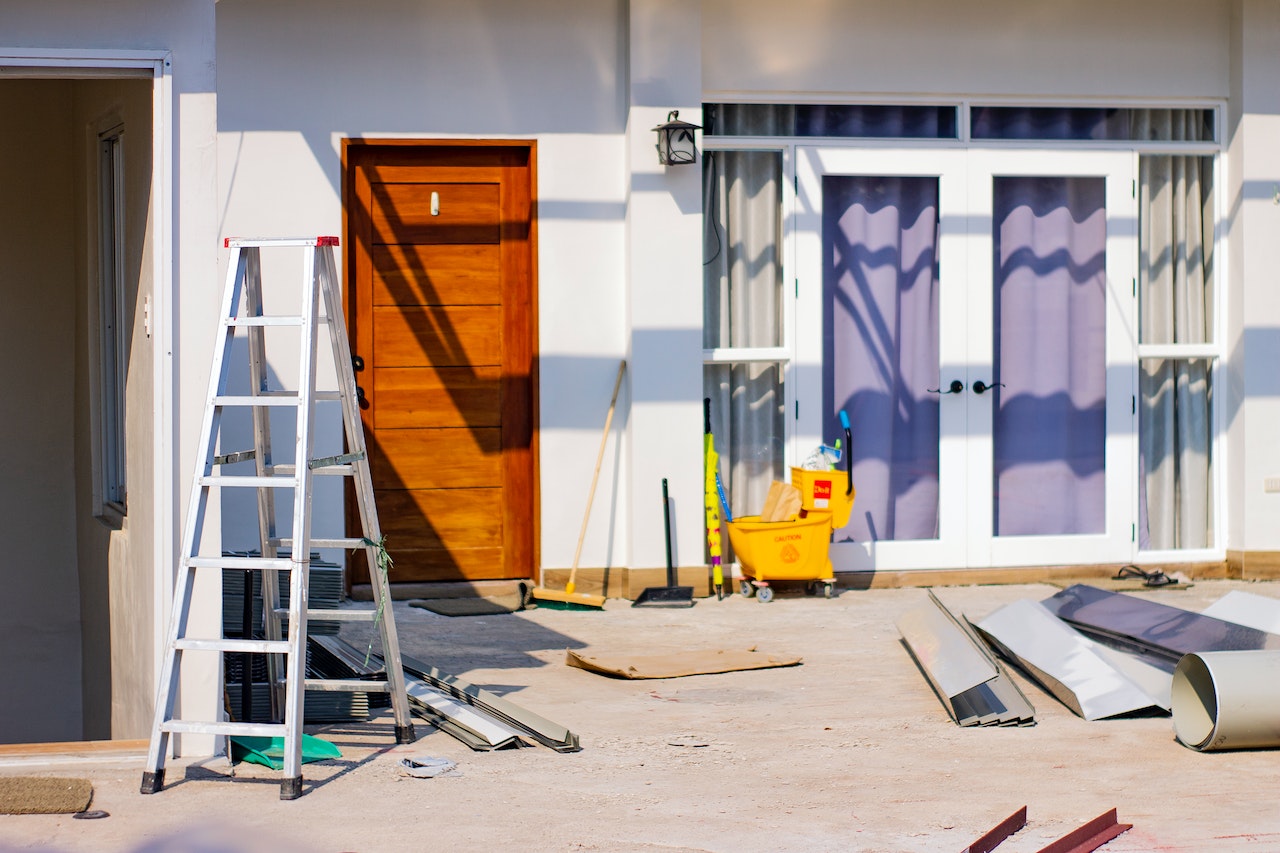
The Art of Choosing: Selecting the Right Handyman for Your Home
When it pertains to preserving and enhancing your house, discovering the ideal assistance is important. Whether it’s repairing a leaking faucet, restoring a hole in the wall, or dealing with more comprehensive remodellings, you’ll wish to make sure that you employ the right experts for the task. In today’s world, there is no scarcity of handyman services and house repair work services offered, however picking the best one can be an overwhelming job. To make a notified choice, you require to think about numerous elements, from the services they use to their track record and rates. In this post, we will check out the crucial elements of picking the right home repair services supplier to guarantee your house jobs are finished to your complete satisfaction.
Define Your Needs
Before you start your look for a house repair work provider, it’s important to recognize the particular requirements of your job. Are you trying to find a basic handyman to deal with a range of little jobs around your house, or do you need customized services such as pipes, electrical work, or woodworking? Knowing precisely what you require will assist you limit your search and discover a company with the ideal knowledge.
Research and Recommendations
Once you have actually specified your requirements, it’s time to begin your research study. Begin by looking for suggestions from good friends, household, and next-door neighbors who have actually just recently had actually house repair work done. Their first-hand experiences can offer important insights into the quality of service offered by various service providers. Additionally, you can check out online evaluation platforms and sites that note regional handyman and house repair work services. Pay attention to evaluations and scores to evaluate the track record of each supplier.
Check Credentials and Insurance
Before delegating your house to a provider, it’s important to validate their qualifications and insurance coverage. Ensure that they have the required licenses and accreditations for the kind of work they carry out. Licensing requirements differ by place and the nature of the task, so it is essential to contact your regional authorities. Furthermore, request for evidence of insurance coverage, consisting of liability and employees’ settlement protection. This is important to safeguard yourself and your house in case of mishaps or damages throughout the job.
Get Multiple Quotes
Don’t go for the very first house repair work provider you discover. Instead, demand quotes from several prospects. A respectable supplier must want to offer a comprehensive written quote that lays out the scope of work, products, labor expenses, and a timeline for conclusion. Comparing quotes will not just assist you get a much better concept of the reasonable market value for your job however likewise offer you insights into the professionalism and openness of each supplier.
Check References
One of the most efficient methods to examine the quality of a house repair work provider’s work is by inspecting their recommendations. Ask the supplier for a list of previous customers who can attest their services. Contact these recommendations and ask about their experiences, the quality of work carried out, and whether the supplier fulfilled their expectations. It’s a trusted method to get insights into what you can anticipate from the supplier you are thinking about.
Evaluate Communication and Professionalism
Effective interaction is crucial to an effective house repair work job. Pay attention to how responsive and mindful a provider is throughout the preliminary phases of your interaction. Are they trigger in returning calls or e-mails? Do they address your concerns plainly and offer in-depth descriptions? Assessing their interaction abilities and professionalism can assist you figure out if they are most likely to be trustworthy and simple to deal with throughout the job.
Conclusion
Choosing the ideal house repair work provider is an important choice that can significantly affect the result of your house enhancement jobs. By specifying your requirements, carrying out comprehensive research study, inspecting qualifications, getting several quotes, inspecting recommendations, and examining interaction and professionalism, you can make an educated option. Remember that the objective is not simply to discover the most inexpensive choice however to pick a company who can provide top quality work and guarantee your house remains in safe hands. Taking the time to discover the ideal fit will eventually conserve you time, cash, and tension in the long run, guaranteeing your house repair work are finished to your complete satisfaction.