


How Land Use Planning Affects Commercial and Residential Expansion
Living in rapidly growing urban and peri-urban areas requires careful coordination between infrastructure, housing demand, and environmental protection. One of the most influential mechanisms guiding this balance is how authorities and professionals apply land use planning in shaping cities, towns, and developing regions. It determines where people can build homes, establish businesses, and preserve natural spaces.
When done effectively, spatial planning supports orderly expansion while reducing conflict between competing land uses. Poorly managed growth, on the other hand, can lead to congestion, service delivery strain, and inefficient settlement patterns. These outcomes directly affect both economic opportunity and quality of life.
Understanding how development decisions are structured helps property owners, investors, and communities make informed choices. It also highlights why municipal frameworks and zoning systems matter so much in long-term urban sustainability.
Understanding the Role of Spatial Structuring in Development
At its core, urban expansion depends on structured decision-making about how land is allocated and used. Authorities use zoning schemes, spatial frameworks, and development guidelines to ensure that residential, commercial, industrial, and mixed-use areas are appropriately positioned.
This system is not static. It evolves as population growth, infrastructure demands, and economic activity shift over time. For example, a once-residential suburb may gradually transition into a mixed-use corridor as demand for retail and office space increases.
In practice, the discipline of land use planning helps prevent incompatible developments from occurring side by side, such as heavy industry next to residential housing. It also ensures that essential services like schools, healthcare facilities, and transport networks are integrated into growing communities.
Well-structured spatial systems are also crucial for environmental protection. Wetlands, floodplains, and conservation areas must be identified and preserved to reduce long-term ecological risks and infrastructure damage.
Key Factors That Shape Urban and Commercial Growth
Several interconnected elements determine how cities and towns expand over time. These factors influence investment decisions, property values, and the overall functionality of built environments.
One of the most important drivers is infrastructure availability. Roads, electricity supply, water systems, and public transport networks often dictate where development can realistically occur. Without these, even high-demand areas may remain underdeveloped.
Economic trends also play a major role. Commercial hubs tend to form around areas with high foot traffic, accessibility, and workforce availability. Residential growth typically follows job opportunities, creating a dynamic relationship between living spaces and employment zones.
Environmental constraints further shape expansion. Areas prone to flooding, steep slopes, or ecological sensitivity may be restricted or require special development approvals.
A structured approach to spatial development typically considers:
- Population growth projections and housing demand
- Existing infrastructure capacity and upgrade requirements
- Environmental risk zones and conservation priorities
- Economic development goals and employment distribution
- Transportation corridors and accessibility networks
These elements must be balanced carefully to avoid urban sprawl, inefficient land consumption, or infrastructure overload.
How Planning Decisions Influence Property Markets
Property markets are highly sensitive to regulatory frameworks and zoning changes. When an area is rezoned for higher density or commercial use, property values can increase significantly due to improved development potential.
Conversely, restrictive zoning can limit investment opportunities, particularly in areas where demand for development exceeds supply. This makes regulatory certainty a key factor for developers and investors.
Municipal decisions also affect the timing of development approvals. Delays in rezoning applications or subdivision permissions can slow down housing delivery and commercial expansion.
Effective coordination between municipal authorities and private developers ensures that growth aligns with infrastructure capacity. This reduces the risk of overburdening services such as water supply, waste management, and road networks.
In many growing cities, particularly in regions experiencing rapid urbanisation, structured frameworks guide how neighbourhoods transition from low-density residential areas into more complex urban environments.
Managing Residential Expansion in Growing Cities
Residential growth requires more than just allocating space for housing. It involves ensuring that communities are livable, connected, and supported by essential services.
As cities expand outward, planners must consider commuting patterns, affordability, and access to amenities. Poorly planned expansion often results in long travel times, fragmented neighbourhoods, and unequal access to services.
A well-coordinated system ensures that housing developments are integrated with schools, healthcare facilities, public transport routes, and employment nodes.
Developers and municipalities often rely on phased development strategies to manage this growth effectively. These strategies help ensure that infrastructure is delivered in step with housing demand rather than lagging behind it.
Risks of Poor Spatial Coordination
When development occurs without sufficient planning oversight, several challenges can emerge. These may include informal settlement growth, infrastructure strain, and environmental degradation.
Inconsistent zoning enforcement can also create uncertainty for investors and homeowners. This uncertainty can slow down economic activity and reduce confidence in long-term development projects.
Poor coordination between different government departments may result in overlapping approvals or contradictory land use decisions. This highlights the importance of integrated governance in managing urban growth.
Common issues associated with weak development control include:
- Traffic congestion due to inadequate transport planning
- Insufficient public service capacity in fast-growing suburbs
- Loss of green spaces and ecological buffers
- Increased flooding risk from unmanaged stormwater systems
- Uneven distribution of economic opportunities
Addressing these challenges requires long-term strategic thinking rather than short-term reactive decisions.
The Link Between Commercial Development and Urban Structure
Commercial expansion depends heavily on accessibility, visibility, and infrastructure support. Retail centres, office parks, and industrial zones typically cluster in areas where transport links are strong and workforce access is efficient.
As cities expand, commercial nodes often develop along major roads or near public transport hubs. This reduces commuting time and improves economic efficiency.
The interaction between residential and commercial areas must be carefully balanced. Too much separation can lead to commuter congestion, while excessive mixing without proper design can create land use conflicts.
In many modern urban systems, mixed-use development is becoming more common. This approach combines residential, commercial, and recreational spaces within a single area, improving convenience and reducing travel distances.
Strategic Considerations for Sustainable Growth
Long-term urban sustainability depends on aligning development with environmental capacity and infrastructure planning. Decision-makers must evaluate not only current demand but also future population and economic trends.
Key principles often include compact city design, efficient transport integration, and preservation of ecological assets. These principles help reduce urban sprawl and improve resource efficiency.
Stakeholders involved in development should also consider social equity. Ensuring that housing, services, and employment opportunities are distributed fairly contributes to more inclusive urban environments.
A coordinated approach to expansion reduces long-term costs for municipalities and improves resilience against infrastructure failure or environmental shocks.
Ultimately, effective spatial governance provides a foundation for stable, predictable, and balanced growth that benefits both residential communities and commercial stakeholders.
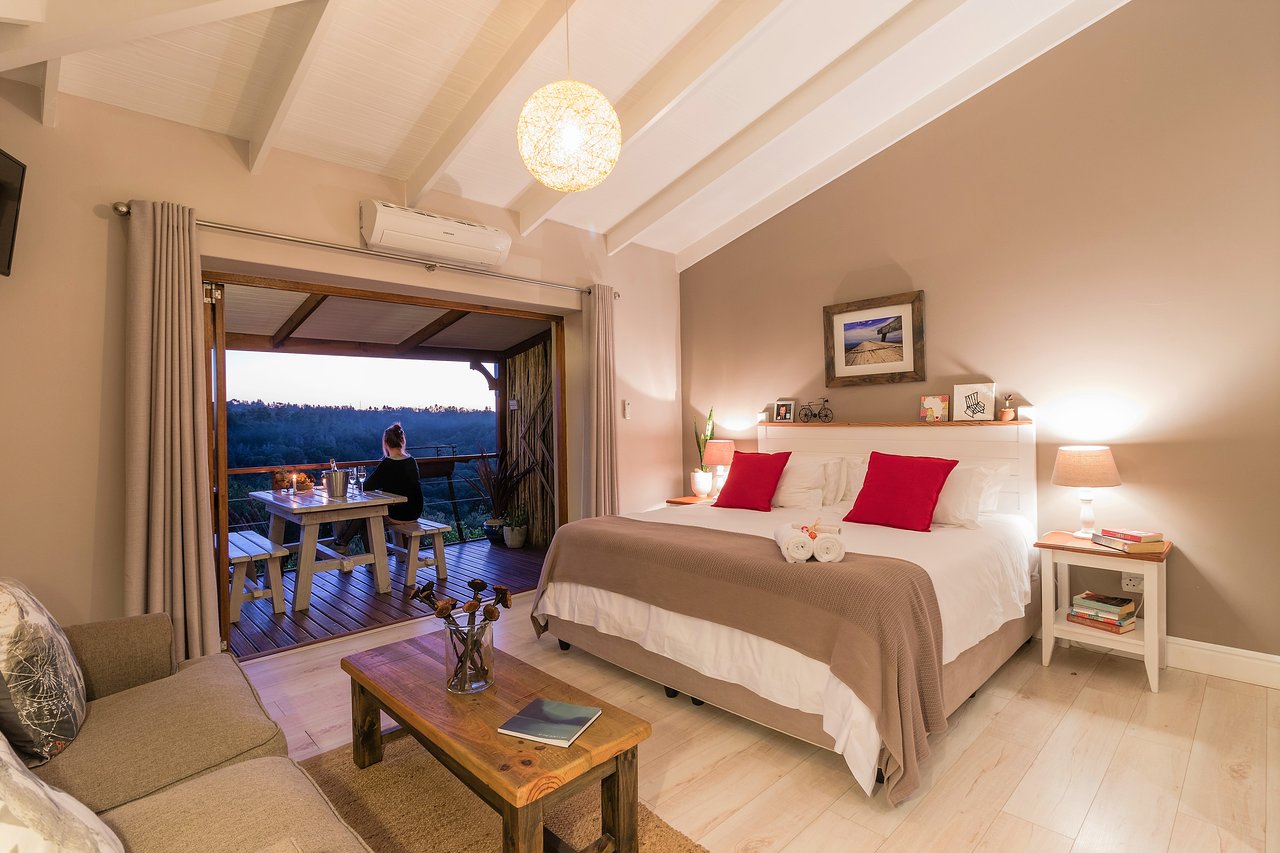
Experience Tranquility at The Kings Lodge in Northcliff
Welcome to Johannesburg, the vibrant heart of South Africa! This comprehensive aide is intended to make your room rental experience seamless, secure, and enjoyable. From finding safe accommodations to discovering the charm of Northcliff, your process starts here.
Finding Safe and Clean Accommodation Rentals in Johannesburg
Embark on your search through reputable online platforms and believed real estate sites, offering assorted rental choices tailored to your preferences. Focus on your prosperity by reviewing feedback from past tenants, ensuring cleanliness and security. Tailor your decision by assessing your spending plan and wanted amenities while comparing various accommodations. Establish direct communication with landlords or property managers to clarify any questions and negotiate rental terms.
The Advantages of Opting for Furnished Rooms with En Suite Bathrooms
When considering your a room for rent in Northcliff, take advantage of the unmatched convenience of furnished rooms, which come completely prepared, saving you time and effort in furnishing. Enjoy the advantage of personal space and privacy presented by en suite bathrooms. Feel at ease in a warm and inviting ambiance, as furnished accommodations give a simple atmosphere. Decide on a financially savvy decision by renting a furnished room, often more spending plan friendly than buying furniture for a temporary stay.
Exploring Northcliff: Your Ideal Destination for Renting a Room
Drench yourself in the allure of Northcliff, a tranquil setting with convenient access to local amenities. Focus on your safety by choosing Northcliff, renowned for its solid environment. Revel in breathtaking panoramic vistas of Johannesburg from Northcliff’s elevated vantage points, adding to the allure of this sought-after location.
The Kings Hotel: Your Tranquil Haven in Northcliff
Settled in the serene, upscale suburb of Northcliff, The Kings Hotel is the embodiment of peace and beauty. With costs starting at just R3950 each month, The Kings Hotel offers a spending plan friendly yet lavish living experience in Northcliff’s lap of nature. Whether you’re an independent traveler or a couple, our en suite rooms cater to various preferences, and they all accompany Complimentary wireless internet.
The central location, only 1km from Cresta shopping center, restaurants, exercise centers, and hospitals, offers unmatched convenience. Enjoy seamless travel around Johannesburg with reliable public transport and speedy access to the N1 via fourteenth Avenue off Ramp. Book your Room to Rent at The Kings Hotel today and drench yourself in the tranquility and beauty of Northcliff. Experience affordability, convenience, and comfort more than ever!
Your Northcliff Stay Experience
As you subside into your en suite room at The Kings Cabin, you’ll rapidly realize the reason why it’s the ideal decision for your Northcliff stay. The serene surroundings, rich gardens, and tranquil atmosphere create an ambiance that feels like a retreat from the bustling city life. Whether you’re hanging around for work, recreation, or exploration, you’ll find that The Kings Hotel offers the comfort and relaxation you really want after a day of activities.
Final Words
With this aide and the dazzling offerings of The Kings Hotel, your room rental experience in Johannesburg is set to be exceptional. From the moment you step into your en suite room to the day you bid farewell, your stay will be marked by comfort, convenience, and the beauty of Northcliff. Hold your room at The Kings Hotel now and indulge in a really remarkable stay experience.

Luxurious Living in the Heart of Brackenfell: Glenwood Estate Unveiled
Are you on the hunt for elegant contemporary-luxe living with the benefit of being located in the heart of cosmopolitan Brackenfell? If so, Glenwood Estate’s Phase 1 and Phase 2 residential or commercial properties are matched completely with young experts in mind who are looking for residential or commercial property for sale in Brackenfell. With 24-hour security, spectacular modern-day interior decorations, and fast access to shopping mall and quality schools in the location, Glenwood is your one-stop look for the supreme way of life upgrade.
When looking for a brand-new home, among the most essential aspects to think about is its area. Glenwood Estate fulfills this basic with its prime position in the heart of lively Brackenfell. Glenwood Estate is easily located, making it simple to get to a variety of facilities and centers rapidly.
Unlike other advancements in Brackenfell, Glenwood Estate was developed with a unique concentrate on contemporary-luxe living. With striking modern-day style functions such as significant lights, Greco-Roman-motivated columns, and big windows to let in sufficient light, first-rate architecture has actually been integrated. These gorgeous touches make your Glenwood Estate home seem like a hotel suite, instead of a standard apartment or condo.
Another drawcard of Glenwood Estate is its outstanding security functions. The residential or commercial property is geared up with a 24-hour security system, security services, a safe gain access to-controlled access gate, and CCTV security. Not just will you have comfort understanding that you and your possessions are completely safe in your house, however simple access to first-rate centers is an included benefit.
Glenwood Estate is likewise fibre-ready, which indicates, basically, you will not need to wait to access the web. It is practical to have all your technical requirements fulfilled without needing to stress over the functionalities of establishing and connection.
When it concerns area, Glenwood Estate is definitely a location that is satisfying to reside in. Residents gain from the distance to schools, shopping mall, and other facilities while exploring this lively community is a getaway in itself. It’s best for young experts looking for the happiness of an active social life and close-by facilities.
Conclusion:
So, if you’re trying to find a property for sale in Brackenfell, Glenwood Estate is the location for you. Glenwood Estate along with Phase 1 and Phase 2 were established with popular modern and elegant touches to attract young city experts looking for modern-day benefit. With an abundance of facilities and centers in the location to match, you will definitely like your life at Glenwood Estate.