

Denture Repair Cape Town: What to Expect from a Professional Dental Lab
Denture damage can happen suddenly—whether from accidental drops, everyday wear, or underlying oral changes. When it does, knowing where to turn and what to expect can make a stressful situation far more manageable. Many patients underestimate the importance of choosing the right dental lab, yet the quality of repair work directly affects comfort, function, and long-term oral health.
In a city with a wide range of dental service providers, finding a trusted solution for denture repair Cape Town residents can rely on requires some understanding of how professional labs operate. Not all repairs are equal, and the difference often lies in the materials used, the technicians’ expertise, and adherence to proper clinical standards.
This guide breaks down what actually happens behind the scenes at a professional dental lab, helping you make informed decisions. From assessment to final fitting, understanding the process ensures you receive safe, durable, and aesthetically sound results.
Understanding the Role of a Professional Dental Lab
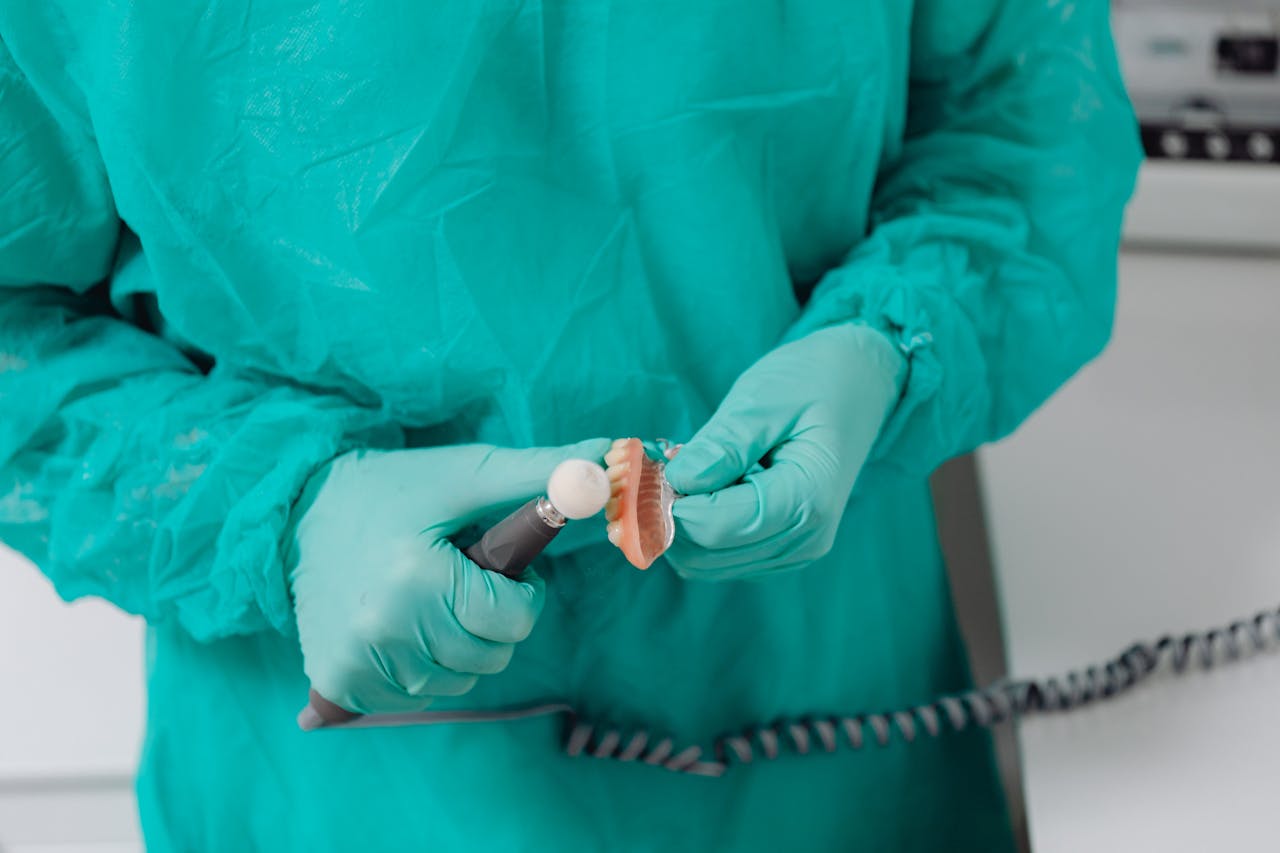
A dental lab is not simply a place where dentures are “fixed.” It is a highly controlled environment where trained dental technicians work with precision tools and medical-grade materials to restore prosthetics to their original function and appearance.
Unlike quick, makeshift fixes, professional labs follow strict protocols. They collaborate closely with dentists when needed, ensuring that repairs align with your oral structure. This is especially important when dealing with fractures, worn-out bases, or misaligned components.
Technicians assess structural integrity, bite alignment, and material fatigue before beginning any work. This diagnostic phase is critical because superficial repairs can fail quickly if underlying issues are ignored.
Common Types of Denture Repairs
Not all denture issues are the same, and understanding the type of damage helps set realistic expectations for turnaround time and results.
Some of the most common problems include:
- Cracked or broken denture bases, often caused by impact or pressure imbalance
- Loose or detached artificial teeth that need repositioning or replacement
- Warped dentures resulting from heat exposure or improper storage
- General wear and tear affecting fit and comfort over time
- Clasps or metal framework damage in partial dentures
Each of these requires a different repair approach. For example, a clean break may be repaired relatively quickly, while a warped denture might need reshaping or even partial remanufacturing.
The Step-by-Step Repair Process
When you bring your denture to a professional lab, the process follows a structured workflow designed to ensure accuracy and durability.
First, the denture undergoes a thorough inspection. Technicians look for visible damage as well as hidden stress points that could compromise the repair. They may also evaluate how the denture fits if bite issues are suspected.
Next comes cleaning and preparation. Any debris, adhesive residue, or bacteria buildup is removed to ensure proper bonding and hygiene. This step is often overlooked in non-professional repairs but is essential for long-term success.
The actual repair phase depends on the issue. High-quality acrylics or specialized bonding agents are used to restore structural integrity. In cases involving tooth replacement, technicians carefully match size, shape, and shade to maintain a natural appearance.
Finally, the denture is polished and finished. This step improves comfort and prevents irritation, ensuring the repaired surface feels smooth against the gums.
Turnaround Time and What Affects It
Repair time can vary significantly depending on the complexity of the issue. Simple cracks may be fixed within a few hours, while more extensive damage could take a day or more.
Several factors influence turnaround time:
- Severity of the damage
- Availability of matching materials
- Need for additional adjustments or relining
- Lab workload and scheduling
Same-day services are often available for minor repairs, but it’s important not to prioritize speed over quality. A rushed job can lead to repeated issues and higher long-term costs.
Why Professional Repairs Matter for Your Health
Dentures are not just cosmetic devices—they play a critical role in chewing, speaking, and maintaining facial structure. Poorly repaired dentures can cause more harm than good.
An uneven bite, for example, can lead to jaw discomfort and difficulty eating. Rough surfaces may irritate soft tissues, increasing the risk of sores or infection. In some cases, ill-fitting dentures can accelerate bone loss in the jaw.
Choosing a professional lab ensures that repairs meet clinical standards. This reduces the risk of complications and helps maintain overall oral health.
Signs You Should Avoid DIY Fixes
It can be tempting to attempt a quick fix at home, especially with over-the-counter repair kits widely available. However, these solutions often create more problems than they solve.
Watch out for these warning signs that indicate a DIY approach is not appropriate:
- The denture no longer fits comfortably or securely
- There are multiple cracks or structural weaknesses
- A tooth has completely detached
- The material feels brittle or worn out
- You experience pain while wearing the denture
Temporary fixes may seem convenient, but they rarely address the root cause. In many cases, they complicate professional repairs later on.
What to Look for in a Reliable Dental Lab
Not all dental labs operate at the same standard, so selecting the right provider is essential. Experience, equipment, and quality control processes all play a role in the final outcome.
A reputable lab will typically offer clear communication about the repair process, expected timelines, and costs. They should also use certified materials designed specifically for dental applications.
Look for labs that prioritize hygiene and precision. Clean workspaces, modern tools, and skilled technicians are strong indicators of professionalism. Consistency in results is another key factor—reliable labs produce repairs that last.
When seeking denture repairs in Cape Town services, it’s worth asking questions and understanding the lab’s approach before committing.
Maintaining Your Dentures After Repair
Once your denture has been professionally repaired, proper care becomes essential to prevent future damage. Even the best repair work can be compromised by poor maintenance habits.
Daily cleaning is crucial. Use non-abrasive products and avoid harsh chemicals that can weaken the material. Proper storage is equally important—keep dentures in water or a recommended solution to prevent drying and warping.
Regular check-ups also play a role. Over time, changes in your gums and jaw can affect how dentures fit. Periodic adjustments help maintain comfort and function.
Being mindful of how you handle your dentures can also extend their lifespan. Avoid dropping them, exposing them to extreme temperatures, or using them in ways they weren’t designed for.
Cost Considerations and Value
The cost of denture repair varies depending on the complexity of the issue and the materials required. While it may be tempting to choose the cheapest option, value should be the priority.
High-quality repairs last longer, fit better, and reduce the likelihood of repeat issues. This makes them more cost-effective over time. Investing in professional services also minimizes health risks, which can lead to additional expenses if ignored.
Transparency in pricing is another hallmark of a trustworthy lab. You should receive a clear explanation of what you’re paying for and why.
Restoring Confidence and Function
A well-repaired denture does more than restore functionality—it brings back confidence. Being able to eat, speak, and smile without discomfort has a significant impact on daily life.
Professional dental labs understand this. Their goal is not just to fix a problem, but to deliver a result that feels natural and reliable. With the right expertise and care, even severely damaged dentures can often be restored to excellent condition.
Making informed choices about where and how you get your dentures repaired ensures better outcomes. It also helps you avoid unnecessary complications, giving you peace of mind and a more comfortable experience moving forward.