

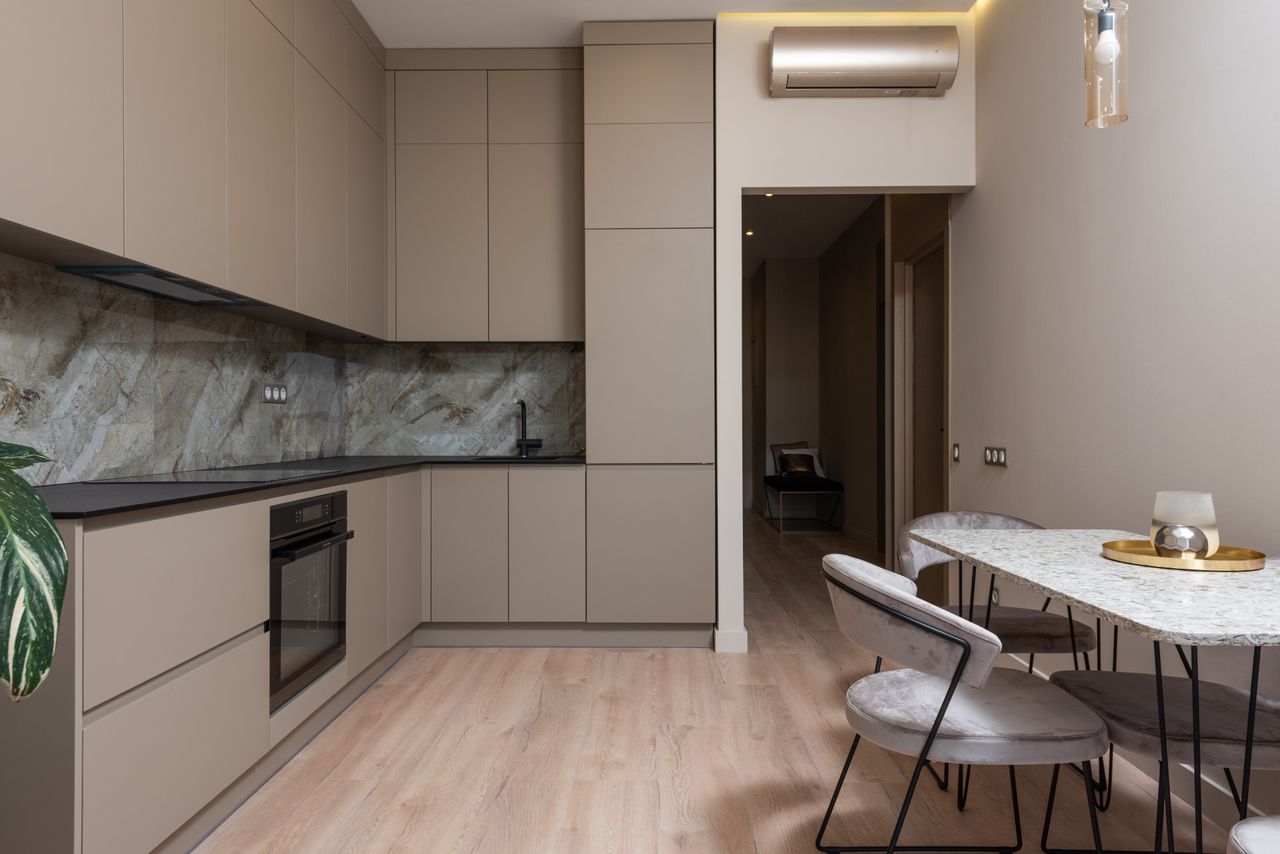
Kitchen Wrapping vs Replacing Cabinets: Which Offers Better Value?
A kitchen makeover can completely change the feel of a home, but many homeowners hesitate because they assume every renovation comes with a high price tag. In reality, there are several ways to refresh an outdated space without committing to a full renovation. One increasingly popular option is kitchen wrapping, which allows existing cabinet surfaces to be updated with high-quality architectural vinyl.
Choosing between wrapping existing cupboards and replacing them entirely depends on several factors, including the condition of the cabinets, your budget, your design goals, and how long you plan to stay in the property. While a full replacement offers complete freedom in terms of layout and construction, it also involves considerably higher costs, longer installation times, and more disruption.
Before making a decision, it helps to understand the advantages and limitations of both approaches. Looking beyond the initial price can help you determine which solution provides the best long-term value for your specific situation.
Understanding the Difference Between Wrapping and Cabinet Replacement
Although both options aim to improve the appearance of a kitchen, they are very different renovation methods.
Wrapping involves applying specialised vinyl film over existing cupboard doors, drawer fronts, side panels, and other visible surfaces. The original cabinet structure remains intact while the exterior receives an updated finish that can resemble wood, stone, matte colours, gloss finishes, or textured materials.
Replacing cabinets, on the other hand, means removing the existing cabinetry and installing completely new units. This often includes new carcasses, doors, hardware, hinges, and sometimes changes to the kitchen layout itself.
Some of the key differences include:
- Wrapping preserves the existing cabinet framework.
- Cabinet replacement removes the old units entirely.
- Wrapping generally requires less labour.
- Full replacement allows structural and layout modifications.
- Installation time varies significantly between the two options.
Understanding these differences makes it easier to compare their overall value rather than focusing only on the initial price.
Comparing the Overall Cost
For many homeowners, cost is the biggest deciding factor.
Replacing kitchen cabinets involves multiple expenses beyond simply purchasing new cupboards. Removal of the old cabinetry, disposal costs, new cabinet manufacturing, installation, plumbing adjustments, electrical work, wall repairs, and painting can all add to the final bill.
Wrapping typically avoids many of these additional costs because the original cabinets stay in place. As long as the cabinet boxes remain structurally sound, only the exterior finish changes.
This often makes wrapping one of the most affordable ways to modernise a kitchen without undertaking a major renovation. The savings can be substantial while still producing a dramatic visual transformation.
Of course, every project differs depending on kitchen size, cabinet condition, material selection, and the complexity of the design.
Appearance and Design Options
Years ago, vinyl finishes offered relatively limited design choices. Modern architectural films are very different.
Today’s materials are available in a wide variety of colours, textures, and finishes that closely imitate natural materials. Homeowners can choose from warm timber effects, clean matte colours, soft-touch finishes, concrete-inspired textures, metallic looks, or high-gloss surfaces.
Because the cabinet doors remain in place, wrapping can quickly create a contemporary appearance without altering the overall kitchen layout.
Cabinet replacement still provides the greatest design flexibility since everything can be customised, including:
- Cabinet sizes
- Internal storage solutions
- Door profiles
- Soft-close hardware
- Island configurations
- Pantry layouts
- Appliance placement
If the existing kitchen layout already works well, changing only the visible surfaces may provide all the visual improvement that is needed.
Durability and Lifespan
Durability depends heavily on product quality and professional installation.
High-quality wrapping materials are designed to withstand daily household use, including exposure to moisture, cleaning products, and moderate heat when installed correctly. Properly maintained finishes can continue looking attractive for many years.
Cabinet replacement may offer a longer overall lifespan, particularly when premium materials and solid construction are used. However, this comes with a considerably higher investment.
The condition of the original cabinets also matters. Wrapping is most suitable when the cabinet frames remain sturdy, level, and free from significant water damage or structural problems.
If cupboards are swollen from moisture, falling apart, or poorly constructed, replacing them may ultimately be the better long-term investment.
Installation Time and Household Disruption
One factor that many people underestimate is how disruptive a renovation can become.
Replacing cabinets often requires demolition work, removal of existing fittings, installation of new units, adjustments to plumbing and electrical systems, countertop modifications, and finishing work. Depending on project complexity, this process can take several weeks.
Wrapping is generally much faster because there is no demolition involved.
Cabinets remain in place while surfaces are carefully prepared and covered with the selected finish. In many cases, the kitchen remains functional for much of the project, reducing inconvenience for the household.
Less dust.
Less noise.
Less mess.
For busy families, these practical advantages can be just as valuable as the financial savings.
Environmental Considerations
Home renovations generate significant amounts of waste, particularly when entire kitchens are removed.
Cabinet replacement often results in usable timber, composite boards, hardware, and other materials being discarded unless they are recycled or repurposed.
Wrapping extends the life of existing cabinetry by reusing the current cabinet structures instead of sending them to landfill. From a sustainability perspective, making use of cabinets that remain structurally sound can reduce unnecessary waste while lowering the demand for new materials.
For environmentally conscious homeowners, preserving functional components can be an important consideration alongside budget.
When Replacing Cabinets Makes More Sense
Although wrapping offers excellent value in many situations, there are cases where replacement is the better option.
You may want to consider complete replacement if:
- The cabinet boxes have severe structural damage.
- Water damage has weakened the material.
- You want to completely redesign the kitchen layout.
- Additional storage space needs to be created.
- Existing cabinets were poorly built and cannot be repaired effectively.
- Major plumbing or appliance changes require entirely new cabinetry.
In these situations, investing in new cabinets may deliver better long-term performance despite the higher initial cost.
Which Option Delivers Better Value?
Value is about far more than choosing the cheapest solution.
A lower-priced project that meets your needs, lasts for years, and improves the appearance of your home can often represent outstanding value. On the other hand, paying more for a complete replacement may be worthwhile if your kitchen requires structural improvements or a complete redesign.
The right choice depends on balancing several factors:
- Current cabinet condition
- Available renovation budget
- Desired appearance
- Long-term property plans
- Expected return on investment
- Time available for renovation
Carefully evaluating these factors helps ensure that money is spent where it delivers the greatest benefit.
For homeowners whose cabinet frames remain solid and functional, kitchen wrapping often provides an attractive balance between affordability, aesthetics, and convenience. It delivers a refreshed, modern appearance without the significant cost and disruption associated with replacing every cabinet.
Ultimately, the best investment is the one that matches your home’s condition, your renovation goals, and your budget. By carefully assessing the state of your existing cupboards before making a decision, you can confidently choose an option that enhances both the appearance and value of your kitchen for years to come.