

- March 20, 2026
- 5 Minute to read
- Services
Pest Control in Cape Town: What Homeowners Should Expect from a Professional Service
Pest infestations can quickly move from a minor nuisance to a serious household concern. In a coastal city like Cape Town, where climate conditions can encourage seasonal pest activity, homeowners often face challenges ranging from ants and cockroaches to rodents and termites. Understanding what professional support involves helps set realistic expectations and ensures better long-term protection for your property.
Choosing professional assistance is not just about eliminating visible pests. It is also about identifying the underlying causes, preventing recurrence, and applying methods that are safe for both residents and the environment. A structured approach is especially important in urban and suburban homes where infestations can spread between properties.
For many households, engaging experts for pest control in Cape Town becomes a practical step toward maintaining hygiene, protecting property value, and reducing health risks. Knowing what to expect from such a service allows homeowners to make informed decisions and avoid unnecessary stress during the process.
Initial Inspection and Assessment
A professional service typically begins with a detailed inspection of the property. This stage is critical because effective treatment depends on understanding the type of pest, the extent of the infestation, and the environmental conditions contributing to the issue.
Technicians will examine both interior and exterior areas, including kitchens, attics, basements, roof spaces, gardens, and entry points. They look for signs such as droppings, nesting materials, damaged structures, and moisture accumulation. Even subtle indicators can reveal the presence of pests that are not immediately visible.
During this phase, homeowners may be asked questions about recent sightings, unusual sounds, or patterns of activity. This information helps narrow down the pest species and tailor the response accordingly. A thorough assessment often reveals whether the infestation is isolated or part of a broader problem affecting the property.
Identification of Pest Type and Risk Level
Accurate identification is essential for selecting the correct treatment method. Different pests require different strategies, and misidentification can lead to ineffective results or recurring issues.
Common pests in Cape Town include ants, cockroaches, termites, rodents, spiders, and occasionally bed bugs. Each of these presents unique risks. For example, termites can cause structural damage over time, while rodents may contaminate food sources and damage wiring.
Professionals evaluate the severity of the infestation by considering factors such as population size, nesting locations, and spread across the property. This risk assessment informs both the urgency of treatment and the type of products or techniques that will be used.
In many cases, a targeted plan is developed rather than a one-size-fits-all solution. This ensures that resources are used efficiently and that treatments address the root cause rather than just surface-level symptoms.
Treatment Planning and Method Selection
Once the inspection and identification stages are complete, the next step involves designing a treatment plan. This plan outlines the methods, products, and timeline required to resolve the infestation effectively.
Modern pest management emphasizes integrated techniques that combine chemical and non-chemical approaches. The goal is not only elimination but also prevention of future outbreaks. Treatments may include baiting systems, targeted sprays, traps, or environmental adjustments.
Homeowners should expect clear explanations of the proposed methods, including how they work and what outcomes to anticipate. Transparency is an important part of professional service, particularly when treatments involve chemicals that may require temporary precautions.
Safe Application Practices
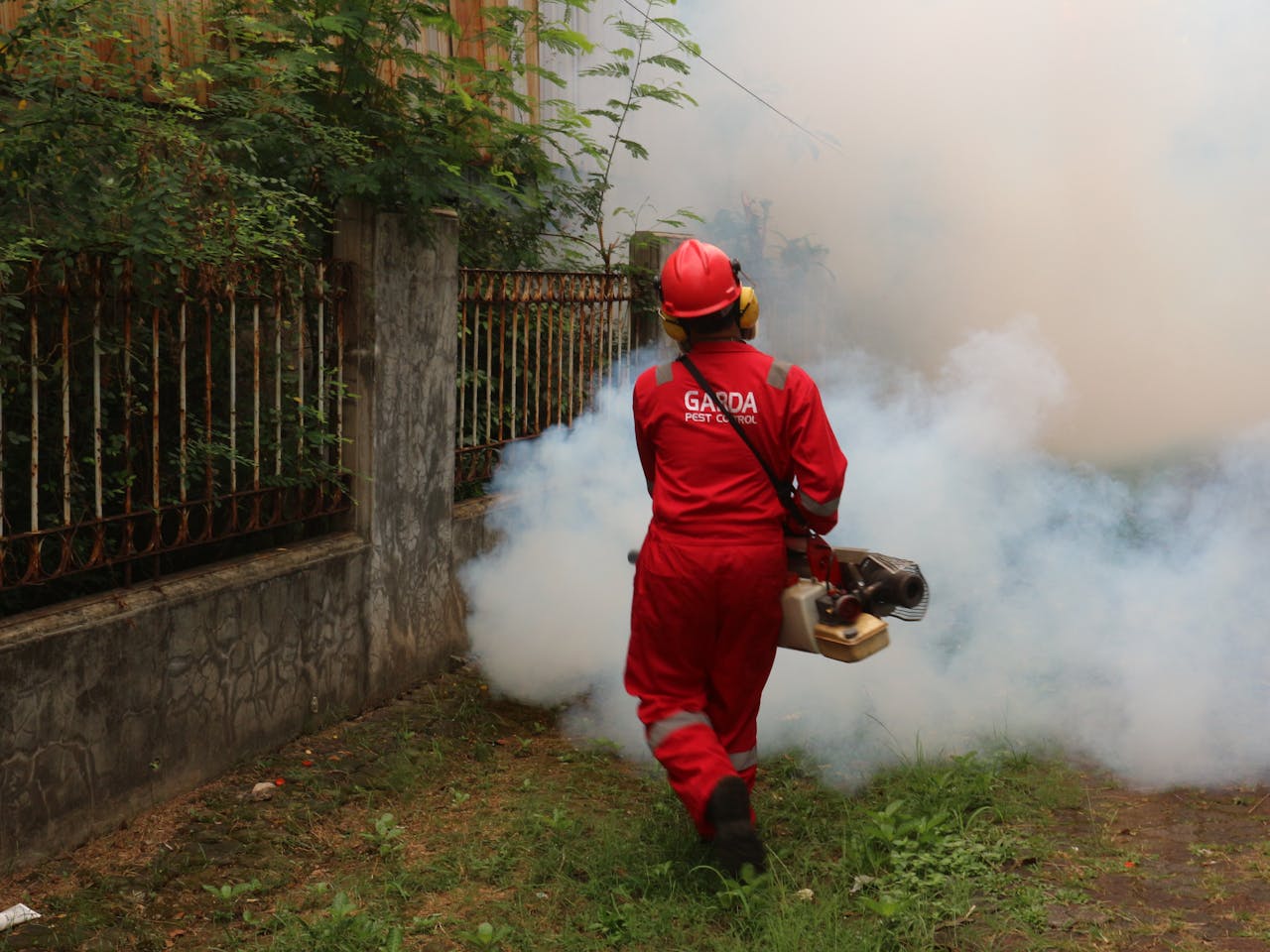
Safety is a key consideration in any professional pest management service. Technicians are trained to apply treatments in a controlled and responsible manner, minimizing exposure to humans, pets, and non-target organisms.
Before application, homeowners are often advised on any necessary preparations. This may include clearing specific areas, storing food securely, or temporarily vacating certain rooms. These precautions help ensure that treatments are both effective and safe.
Products used are typically regulated and applied according to strict guidelines. Professionals follow standardized procedures to avoid overuse or improper distribution. In sensitive environments such as homes with children or pets, extra care is taken to reduce risk while maintaining effectiveness.
Monitoring and Follow-Up Services
Pest control does not always end after the initial treatment. Monitoring and follow-up visits are often part of a comprehensive service plan, especially for persistent or severe infestations.
Follow-ups allow technicians to assess the effectiveness of the treatment and determine whether additional intervention is required. In some cases, multiple visits may be necessary to fully eradicate the problem, particularly with pests that have complex life cycles.
During follow-up appointments, adjustments may be made to the original plan. This adaptive approach ensures that the strategy remains effective even if conditions change or new activity is detected.
Preventive Advice and Long-Term Strategies
An important component of professional service is guidance on preventing future infestations. Homeowners are usually given practical recommendations tailored to their specific property and environment.
These recommendations often focus on reducing attractants and limiting access points. Common advice includes maintaining cleanliness, managing waste properly, and sealing gaps or cracks in walls and foundations.
Preventive measures may include:
- Regular inspection of vulnerable areas such as kitchens, bathrooms, and storage spaces
- Proper sealing of food containers and secure disposal of organic waste
- Maintenance of plumbing systems to avoid leaks and excess moisture
- Trimming vegetation and keeping outdoor areas clear of debris
Implementing these steps can significantly reduce the likelihood of reinfestation and complement the effects of professional treatments.
Communication and Professional Conduct
Clear communication is a defining feature of a reliable pest control service. Homeowners should expect technicians to explain each stage of the process in straightforward terms without unnecessary jargon.
Professional conduct also includes punctuality, respect for the property, and adherence to agreed schedules. Technicians should provide documentation of the work performed, along with any recommendations for ongoing maintenance.
Transparency regarding pricing, treatment methods, and expected outcomes is essential. Homeowners should feel comfortable asking questions and receiving detailed answers before, during, and after the service.
Environmental Considerations and Responsible Practices
Modern pest management places increasing emphasis on environmentally responsible methods. This includes minimizing chemical usage where possible and selecting products that have a reduced environmental impact.
Integrated pest management approaches are often preferred because they combine multiple strategies to achieve control with less reliance on chemicals. These approaches may include habitat modification, exclusion techniques, and targeted treatments.
When evaluating pest control in Cape Town, homeowners should expect providers to consider sustainability alongside effectiveness. Responsible practices help protect local ecosystems while still delivering reliable results in residential settings.
Cost Factors and Service Expectations
The cost of pest control services can vary depending on several factors, including the type of pest, the size of the property, and the severity of the infestation. More complex issues typically require more time, resources, and follow-up visits.
While price is an important consideration, it should not be the only deciding factor. Quality of service, expertise, and long-term effectiveness are equally important when assessing value. A lower upfront cost may not always translate into lasting results.
Homeowners should expect a clear breakdown of costs before work begins. This includes an explanation of what is covered, any potential additional charges, and the scope of the service provided.
Health and Safety Considerations for Households
Pest infestations can pose health risks if left unmanaged. Contaminated surfaces, allergens, and disease transmission are among the concerns associated with common household pests.
Professional intervention helps reduce these risks by addressing infestations in a controlled and systematic manner. Proper treatment not only removes pests but also helps restore sanitary conditions within the home.
Households with vulnerable individuals, such as young children, elderly residents, or those with respiratory sensitivities, may require additional precautions. Professionals typically adjust their methods to accommodate such needs while maintaining effective control.
Choosing a Suitable Service Approach
Selecting the right approach involves evaluating both immediate needs and long-term goals. Some homeowners may require a one-time treatment for a specific issue, while others may benefit from ongoing maintenance plans. When considering pest control in Cape Town, it is important to assess the provider’s approach to inspection, treatment, follow-up, and prevention. A comprehensive service should address all stages of pest management rather than focusing solely on elimination.
Ultimately, a professional service should deliver more than just short-term relief. It should provide a structured, informed, and safe process that protects the home over time while maintaining a high standard of care and accountability.