


Stone That Lasts: Why the Life Of Stone Is Built to Endure
From ancient monoliths to today’s architectural landmarks, natural stone has actually stood as a testimony to endurance, elegance, and artistry. Across South Africa, a nation where standard worths mix effortlessly with modern-day style goals, more house owners and designers are finding the long lasting appeal of the Life of Stone. But this isn’t simply about picking an aesthetically pleasing product — it’s about accepting a way of life rooted in nature, strength, and ageless style.
When we speak about the Life of Stone, we’re describing more than the visual aesthetic of natural products. It represents an intentional style viewpoint — one that values durability, earth-born textures, and a deep connection to the natural world. Stone surface areas are not just useful; they stimulate a sense of permanence and improved taste. Whether integrated into kitchen areas, restrooms, yards, or function walls, stone includes an apparent character that artificial options just cannot reproduce.
In homes throughout the nation, particularly in areas where rising and falling temperature levels and outdoor-indoor living prevail, South Africans are significantly picking products that carry out in addition to they motivate. The Life of Stone makes ideal sense here. Granite counter tops use cool performance, while marble vanities provide an air of luxury. Travertine cladding and sandstone pathways produce serene garden gets away that feel both grounded and glamorous. Each piece, each tile, narrates that covers centuries — crafted by nature, chosen by hand, and brought to life in your house.
Why Natural Stone Works So Well in South African Design
South Africa’s varied environments and differed architectural designs make natural stone a useful and lovely service. In hotter areas, stone floor covering assists manage indoor temperature levels. In seaside homes, stone cladding withstands deterioration and weathering. Mountain retreats, on the other hand, take advantage of the rustic heat of slate or quartzite.
The Life of Stone matches both modern and standard areas — from streamlined city lofts in Cape Town to large farmhouses in the Karoo. Its adaptability enables it to mix with wood, glass, and metal aspects, producing a well balanced visual that is at when earthy and improved. Unlike numerous manufactured surface areas, natural stone doesn’t date rapidly. It grows with your area, establishing character with time.
A Sustainable, Long-Lasting Investment
More than ever, mindful customers are prioritising eco-friendly options. Stone is a natural, sustainable product that needs very little processing. Choosing to live the Life of Stone likewise indicates decreasing your carbon footprint. Unlike laminate or plastic-based surfaces, stone has durability — it’s not something you change every couple of years.
Sourcing regional stone not just supports South African markets and craftsmens however likewise gets rid of the emissions associated with abroad shipping. And since stone ages with dignity, its requirement for repair work or replacement is far lower than the majority of artificial options, making it an affordable option in the long term.
Selecting the Right Stone for Each Space
Different kinds of natural stone serve various functions. Granite stays a popular choice for kitchen areas due to its scratch and heat resistance. It’s suitable for household homes or home entertainment locations. Marble, though more permeable, is ideal for restroom vanities, declaration fireplaces, or sophisticated entranceways.
Quartz — a crafted stone — is significantly being utilized for its consistency and low upkeep appeal. Porcelain pieces, although not technically stone, deal comparable advantages and ultra-modern visual appeals. When used properly, any of these products can enter into your Life of Stone, offered you deal with a knowledgeable installer knowledgeable about regional conditions.
Elevate Your Home With Meaning and Texture
Natural stone doesn’t simply boost a home — it narrates. Each piece is a piece of geological history, formed under the earth’s crust over countless years. When you set up stone surface areas, you bring that tradition into your area. The result is more than lovely; it’s significant.
Let your kitchen area counter tops mention sturdiness and heat. Let your garden courses stimulate serenity and connection to nature. Let your restroom seem like a health spa took of the earth. Embracing the Life of Stone has to do with picking credibility over artificiality, permanence over passing patterns.

How to Choose the Best Water Filter for Your Home Needs
Choosing the perfect water filter for your household can feel overwhelming with so many options available on the market. Whether you’re looking to improve the taste of your tap water or remove harmful contaminants, understanding your specific needs is essential. A water purifier is more than just a device—it’s a safeguard for your family’s health and well-being.
Early in your research, you might come across a variety of brands offering different types of water purification systems. Knowing how to assess these systems will help you invest wisely. For instance, a good water filter doesn’t just trap dirt; it can eliminate bacteria, chemicals, and heavy metals, which is crucial for many South African households facing water quality challenges.
Water quality issues can vary greatly depending on your area. Some regions struggle with high chlorine levels, while others may have bacteria or heavy metal contamination. Testing your household water is the best way to identify the impurities you want to target. Many local labs or home kits can help you with this process.
Types of Water Filtration Systems
There are several water purification systems on the market, each with distinct advantages:
-
Activated Carbon Filters: These reduce chlorine, sediment, and volatile organic compounds. They’re excellent for improving water taste and odor, which is often a concern with municipal water.
-
Reverse Osmosis (RO) Systems: These use a semipermeable membrane to remove dissolved solids, heavy metals, salts, and even some bacteria. RO systems produce very pure water but can waste some water during filtration.
-
UV Filters: Ultraviolet light kills bacteria and viruses but does not remove chemical contaminants. This type is great if your water has microbiological risks.
-
Ceramic Filters: These physically block sediments and pathogens. They’re easy to maintain but less effective against chemicals.
Choosing the right system depends largely on what your water source contains and your specific household needs. Some people combine several systems to maximize purification.
Factors to Consider When Buying a Water Filter
-
Water Quality at Your Source: Understanding what’s in your water helps you pick a filter designed to remove those specific contaminants. If you have municipal water, chlorine removal might be your priority, while borehole water may require bacterial filtration.
-
Household Size: A larger family will use more water daily, so filters with higher capacity and flow rate are important to avoid constant replacements.
-
Installation Requirements: Some filters are simple countertop units, while others require plumbing modifications under the sink or at the water entry point to your home.
-
Maintenance and Filter Replacement: Filters have limited lifespans and need replacing regularly. Factor in ongoing costs and ease of getting replacement cartridges.
-
Certification and Standards: Always check if the product complies with local or international water quality standards to ensure safety and performance.
Benefits of Investing in a Water Purifier
-
Health Protection: Removes harmful contaminants, protecting you from waterborne illnesses.
-
Improved Taste and Odor: Chlorine and other chemicals often make tap water taste unpleasant; a good filter fixes that.
-
Cost-Effective: Over time, having a water purification system can be cheaper than buying bottled water.
-
Environmental Impact: Reduces plastic waste from bottled water.
How to Maintain Your Water Purifier for Long-Term Use
Proper maintenance ensures your water purifier remains effective:
-
Replace filters as recommended by the manufacturer to prevent bacterial buildup or clogging.
-
Clean the external parts and water tanks regularly to keep them hygienic.
-
Monitor water flow rate; a sudden drop may indicate a clogged filter that needs replacing.
-
Schedule professional servicing if your system is complex, such as RO units with multiple stages.
A water filter is a long-term investment in your family’s health, but it requires attention and care. Choosing the right system tailored to your household needs and local water quality is the first step toward enjoying clean, safe drinking water every day.
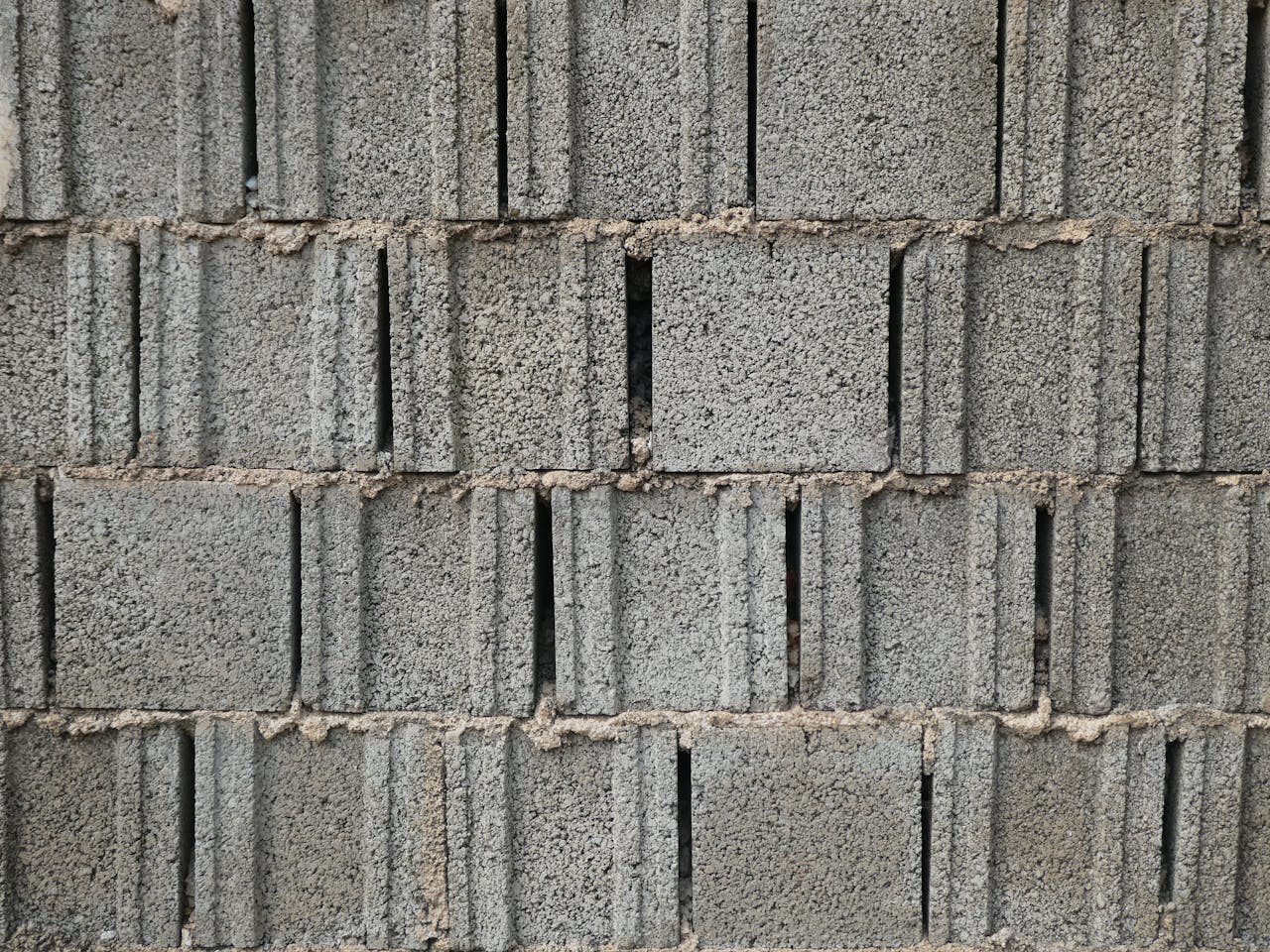
How Lightweight Concrete Blocks South Africa Are Transforming Modern Construction
The construction industry in South Africa is undergoing a major transformation, driven by the need for innovation, sustainability, and efficiency. Among the most promising developments reshaping the sector are lightweight concrete blocks South Africa. These modern building materials are not only changing the way structures are designed and built but also offering long-term environmental and economic benefits that traditional concrete cannot match.
The Shift Towards Sustainable Construction
As environmental concerns grow, there has been an increasing demand for sustainable construction materials South Africa. Builders, architects, and developers are under pressure to reduce carbon footprints while delivering high-quality, durable structures. In this context, lightweight concrete blocks have emerged as a game-changer.
Lightweight concrete blocks are significantly less dense than conventional concrete blocks, which makes them easier to handle, quicker to install, and less taxing on transportation and structural frameworks. But their benefits go beyond ease of use. These blocks often incorporate eco-conscious components like recycled polystyrene concrete, turning construction waste into valuable resources.
The Rise of Recycled Polystyrene Concrete
One of the most exciting innovations in the industry is recycled polystyrene concrete. This material combines cement with granulated, recycled polystyrene—commonly found in packaging waste—to create a lightweight yet robust building block. The result is a product that reduces landfill waste and lessens the demand for natural resources traditionally used in construction.
In South Africa, where construction and demolition waste pose a serious environmental issue, recycled polystyrene concrete offers a much-needed solution. It not only keeps polystyrene out of landfills but also results in a block that has excellent insulation properties, helping to regulate indoor temperatures and reduce energy consumption in buildings.
Liteconcrete Products: Leading the Innovation
One of the key players in this transformation is Liteconcrete products, a company committed to manufacturing environmentally responsible and high-performance building solutions. Their range of lightweight concrete blocks and panels are gaining traction among developers looking to cut costs without compromising on quality or strength.
Liteconcrete products offer exceptional versatility. Their lightweight nature makes them ideal for a wide range of applications—from residential homes and commercial buildings to schools and community centres. By embracing these innovative blocks, developers can speed up construction timelines, reduce manual labour requirements, and save on logistics costs.
Benefits of Lightweight Concrete Blocks in Construction
The adoption of lightweight concrete blocks South Africa is driven by a wide range of benefits, both practical and environmental:
-
Faster Construction Time
The reduced weight of these blocks allows for quicker stacking and less physical strain on workers, accelerating project completion. -
Improved Thermal Efficiency
Lightweight blocks with polystyrene offer better thermal insulation, reducing the need for artificial heating and cooling. This aligns perfectly with energy efficiency goals. -
Cost-Effective Transport and Installation
Being lighter in weight means fewer trips to transport materials and reduced use of heavy lifting equipment on-site. -
Environmentally Friendly
With the use of eco-friendly building materials South Africa, such as recycled polystyrene, the overall environmental impact of construction is significantly reduced. -
Structural Integrity
Despite being lighter, these blocks are engineered to be durable and strong, meeting building codes and structural requirements.
Eco-Friendly Building: A Growing Trend
More developers and homeowners are now demanding eco-friendly building materials South Africa that contribute to long-term environmental sustainability. Whether it’s for residential, commercial, or public infrastructure, the trend is clear: green building is the future.
Lightweight concrete blocks align with this vision perfectly. Their use supports green certification programs and can even contribute to compliance with South African National Standards (SANS) for energy efficiency in buildings. They’re not just a niche product—they are becoming an industry standard.
A Smarter Choice for the Future
In conclusion, the adoption of lightweight concrete blocks South Africa marks a pivotal moment in the construction industry. These blocks, especially when made from recycled polystyrene concrete, are proving that strength, sustainability, and cost-efficiency can go hand in hand. With companies like Liteconcrete products leading the charge, the future of building is lighter, smarter, and greener.
As the demand for sustainable construction materials South Africa continues to rise, it is clear that innovative solutions like lightweight concrete blocks are not just a passing trend—they are revolutionising the way we build. Embracing these eco-friendly building materials South Africa is more than a wise business decision; it is a commitment to a more sustainable and responsible future for all.
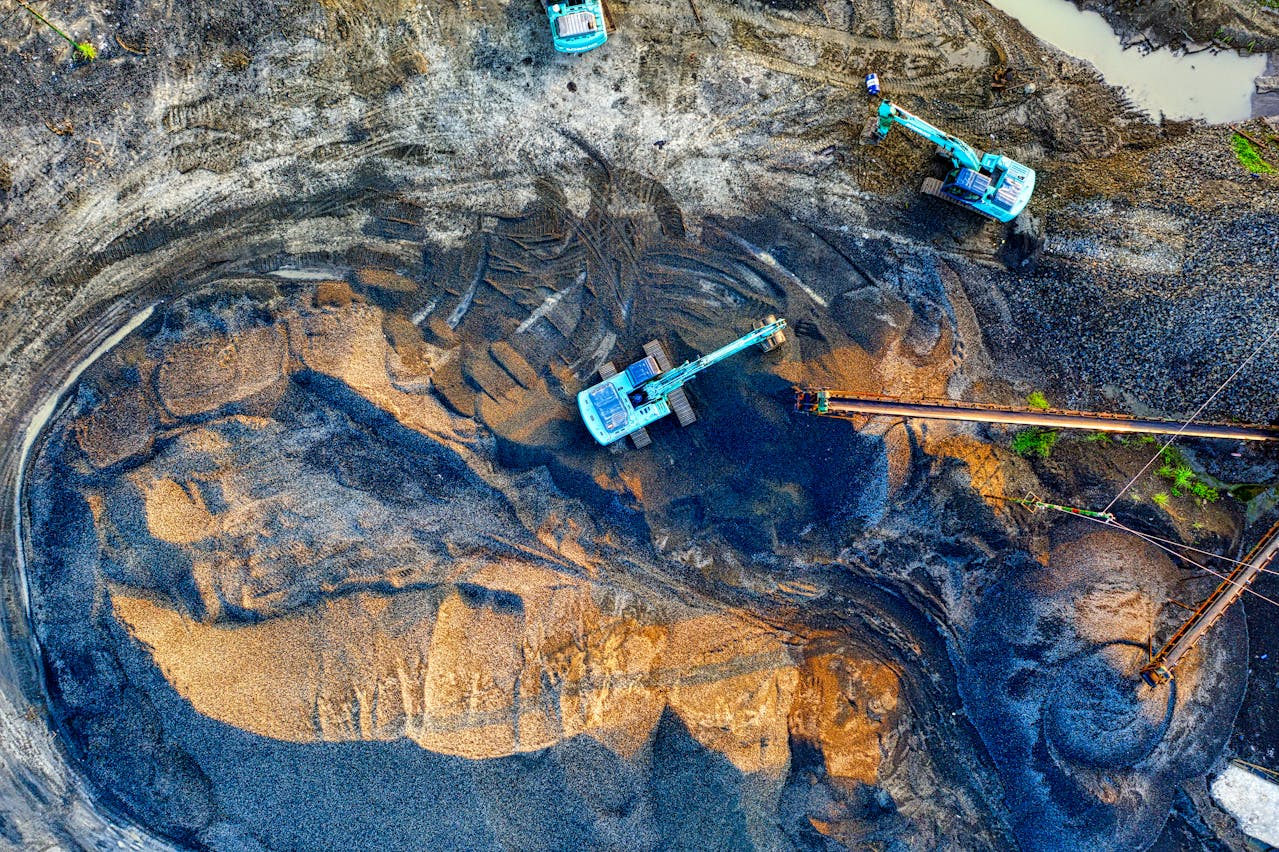
Cutting Project Expenses Through Effective Geotechnical Drilling
In massive building jobs, handling spending plans is as important as providing on quality and security. With millions—in some cases billions—of rands at stake, every choice made throughout the early stages of advancement can substantially affect a task’s bottom line. One of the most intelligent financial investments throughout the preparation and style phase is geotechnical drilling.
Although geotechnical drilling is in some cases considered as an in advance expense that can be reduced or postponed, the truth is that it is a cost-saving technique in the long run. By exposing important details about subsurface conditions, geotechnical drilling helps in reducing threat, avoid structural failures, prevent expensive hold-ups, and assistance effective engineering style.
Understanding the Purpose of Geotechnical Drilling
Geotechnical drilling is the procedure of tiring into the earth to gather soil and rock samples. These samples are checked and examined to figure out residential or commercial properties such as soil strength, density, wetness material, and bearing capability. The details collected is utilized by geotechnical engineers to evaluate the viability of the website for building and to develop structures and other structural components that are safe, steady, and affordable.
In essence, geotechnical drilling supplies the information that supports notified decision-making before and throughout building.
Avoiding Costly Surprises
One of the greatest monetary dangers to any massive building task is the unforeseen. Hidden subsurface conditions such as soft soils, high groundwater levels, or buried particles can result in hold-ups, redesigns, and even structural failure if not determined early. These problems frequently include significant cost.
By performing extensive geotechnical drilling before building starts, designers and engineers can recognize these problems beforehand. This allows them to adjust the task style appropriately—picking the suitable structure type, enhancing weak zones, or changing the task design—to prevent mid-project corrections that can drain pipes spending plans.
Designing Efficient Foundations
Foundations represent a significant part of building expenses, particularly in massive jobs. Overdesigning structures wastes products and cash, while underdesigning causes structural instability and pricey restorative work. Geotechnical drilling supplies the information essential to strike the ideal balance.
Accurate soil and rock details enables engineers to determine precisely what type of structure is required—whether it’s a shallow spread footing, deep stack structure, or something more specialized. With this insight, they can prevent unneeded overengineering and make sure security without investing more than essential.
Reducing Construction Delays
Time is cash in building. Delays not just increase direct expenses like labor and devices leasing however can likewise set off charges and harm a designer’s credibility. Delays frequently take place when unpredicted website conditions require work to stop while brand-new services are established.
With geotechnical drilling, the possibility of coming across such surprises drops significantly. Crews can work more with confidence and effectively with a well-understood ground profile. As an outcome, the task remains on schedule, and the monetary losses related to downtime are reduced.
Enabling Smarter Material Choices
Construction products are chosen based upon site-specific requirements. Without reputable information, professionals may utilize pricey products as a safety measure—simply in case the soil is weaker than anticipated. Geotechnical drilling gets rid of the uncertainty.
By understanding the precise structure and strength of the subsurface, home builders can pick products customized to the website, frequently at a lower expense. For circumstances, understanding that soil conditions are steady might permit using basic products instead of high-performance options.
Improving Safety and Reducing Liability
Safety is not simply an ethical and legal duty—it’s likewise a monetary issue. Injuries, mishaps, and structural failures can lead to claims, insurance coverage claims, and extra expenses. Poor ground conditions are a leading reason for mishaps on building websites, from trench collapses to devices instability.
Geotechnical drilling assists get rid of these risks by offering a clear image of the subsurface environment. With this understanding, security strategies can be established with accuracy, lowering threats and the associated expenses of mishaps and insurance coverage premiums.
Long-Term Financial Benefits
The advantages of geotechnical drilling don’t end when building is finished. A strong structure and precise soil evaluation add to the long-lasting toughness of a structure. Buildings built on well-understood ground conditions are less most likely to struggle with settlement, breaking, or structure problems—all of which can be expensive to fix.
For big facilities like bridges, airports, business towers, and commercial centers, these long-lasting cost savings are indispensable. Investing in geotechnical drilling in advance translates to minimized repair and maintenance expenses in the future.
In the world of massive building, the expense of failure is far higher than the expense of preparation. Geotechnical drilling might appear like a technical or auxiliary service, however in truth, it’s a tactical monetary tool. By offering precise details about subsurface conditions, it enables smarter style, less hold-ups, enhanced security, and minimized waste.
Ultimately, geotechnical drilling is not practically comprehending the ground—it’s about constructing strong structures for effective, on-budget jobs.

Don’t Panic – How to Act Fast During a Plumbing Emergency
Plumbing issues can happen at any time, and when they do, the damage can be swift and costly if not handled immediately. While some plumbing problems can wait for a scheduled appointment, others qualify as emergencies that require immediate attention from professionals. If you’ve ever searched for emergency plumbers near me, you’re likely dealing with a situation that can’t wait. This article explores what qualifies as a plumbing emergency and how you should respond to minimize damage and costs.
What Qualifies as a Plumbing Emergency?
Understanding what constitutes a plumbing emergency is crucial. Here are common scenarios that are considered plumbing emergencies:
1. Burst Pipes
A burst pipe is a top-tier emergency. It can cause extensive water damage to walls, flooring, and even electrical systems. When you notice a sudden drop in water pressure or see water gushing from a wall or floor, it’s time to call emergency plumbers near me.
2. Overflowing Toilets
An overflowing toilet, especially one that doesn’t stop running or starts backing up sewage, is a sanitary and structural emergency. It can quickly escalate and contaminate your home, requiring professional cleanup and repairs.
3. No Running Water
If your home suddenly has no access to water, and you’ve ruled out municipal supply issues, this could indicate a serious internal plumbing failure. Lack of water affects basic hygiene and daily functions, qualifying it as an emergency.
4. Sewer System Backups
Foul odors, gurgling drains, and slow flushing toilets are signs of a sewer backup. If sewage starts to backflow into your home, it’s not only disgusting but also hazardous to health. Immediate action is needed.
5. Water Heater Failure
Especially during colder months, losing hot water due to a water heater breakdown can be considered an emergency, particularly for families with young children or elderly members who are vulnerable to cold temperatures.
6. Major Leaks
A minor drip can usually wait, but a major leak that causes puddling, structural damage, or mold growth is a different story. Acting fast reduces damage and repair costs.
How to Respond Quickly in a Plumbing Emergency
If you find yourself facing any of the above scenarios, time is of the essence. Here’s a step-by-step guide to responding efficiently:
1. Shut Off the Water Supply
Locate your home’s main water shut-off valve and turn it off immediately. This prevents further flooding and damage. If the leak is isolated to one fixture, like a toilet or sink, there may be a smaller shut-off valve nearby that you can use.
2. Turn Off the Water Heater
In emergencies involving hot water or burst pipes, turning off the water heater helps prevent pressure build-up and potential overheating. Switch off the power or gas supply to the unit if needed.
3. Open Drains and Spigots
After shutting off the water supply, open outdoor spigots and indoor faucets to drain remaining water from the pipes. This can relieve pressure and reduce the chances of more leaks or bursts.
4. Call Emergency Professionals
Now is the time to search for emergency plumbers near me. Look for a service that operates 24/7 and has good customer reviews. Avoid trying to fix major problems yourself unless you are trained, as DIY repairs can worsen the situation.
5. Contain the Damage
While waiting for the plumber to arrive, use towels, buckets, or waterproof containers to contain leaks. Move valuable items away from the affected area and use fans or open windows to ventilate if safe to do so.
Why Professional Help Matters
Hiring a professional during a plumbing emergency ensures that the root cause of the issue is identified and resolved safely and efficiently. Qualified plumbers not only fix the immediate problem but can also check for underlying issues to prevent future emergencies.
When looking up emergency plumbers near me, you’re not just searching for someone to fix a broken pipe—you’re looking for a trained expert who can safeguard your home and family. Many emergency plumbing services also offer guarantees or follow-up inspections to ensure everything is functioning correctly.
Plumbing emergencies are stressful and potentially damaging, but knowing how to recognize one and respond swiftly can make all the difference. Always keep the contact information of a reliable plumber saved in your phone or posted visibly in your home. When in doubt, don’t hesitate to search for emergency plumbers near me and act fast. The quicker you respond, the less damage and cost you’ll incur.

From Speed to Safety: The Key Advantages of LiDAR Scanning for Building Professionals
In the fields of architecture, construction, engineering, and surveying, precision is crucial. Accurate building measurements not only ensure structural integrity but also help reduce costs, streamline planning, and eliminate errors in both renovation and new development projects. One of the most revolutionary technologies enabling this level of accuracy is lidar scanning.
Lidar scanning, which stands for Light Detection and Ranging, is a remote sensing method that uses laser pulses to collect detailed and accurate data about a building’s physical environment. These laser pulses measure distances to surfaces and objects, generating millions of data points that form a high-resolution 3D model, known as a point cloud. This model offers a true-to-life digital representation of the structure and its surroundings. Let’s explore the top benefits of using lidar scanning for accurate building measurements.
1. Unmatched Precision and Accuracy
Traditional methods of measuring buildings, such as tape measures, total stations, or manual surveying, are prone to human error and can be time-consuming. Lidar scanning, however, provides highly accurate measurements within millimetre-level precision. This level of accuracy is vital for large-scale projects, complex renovations, or heritage restorations where exact details matter.
By capturing millions of data points per second, lidar scanning eliminates the risk of missing critical dimensions. The technology also captures data in areas that may be difficult to reach manually, such as high ceilings, roof lines, or densely packed environments.
2. Speed and Efficiency
Another significant advantage of lidar scanning is the speed with which data can be collected. A full scan of a building can often be completed in a matter of hours instead of days, especially when compared to traditional manual measurement methods. This reduces project downtime and speeds up the overall timeline, making it an attractive option for fast-paced construction schedules.
Additionally, data collection can occur with minimal disruption to ongoing operations. This makes lidar scanning especially valuable for buildings that are still in use, such as hospitals, schools, or office buildings.
3. Comprehensive Data Collection
Lidar scanning not only measures dimensions—it captures comprehensive spatial data of an entire environment. From structural elements and architectural details to mechanical, electrical, and plumbing (MEP) systems, everything can be accurately recorded.
The resulting point cloud data can be used to create 2D plans, 3D models, and Building Information Modeling (BIM) files. This allows architects, engineers, and contractors to have a complete and shared digital reference for design, planning, and collaboration.
4. Improved Renovation and Retrofit Planning
For renovation and retrofit projects, having accurate as-built documentation is essential. Many older buildings have limited or outdated blueprints, which makes it difficult to understand the existing structure. Lidar scanning provides a fast and accurate way to capture the current condition of a building, enabling teams to plan changes with confidence.
With a complete digital model, stakeholders can identify potential issues early, avoid clashes between new and existing structures, and minimize costly rework during construction.
5. Enhanced Safety
Lidar scanning improves safety by reducing the need for manual measurements in hazardous or hard-to-reach locations. For example, surveyors don’t need to climb scaffolding or enter unstable structures to get accurate data. The scanning can be done from a safe distance, sometimes even using drones equipped with lidar technology.
This non-intrusive method of data collection not only protects workers but also helps maintain the integrity of delicate or historic structures during surveying.
6. Cost Savings Over Time
While the initial investment in lidar scanning may be higher than traditional methods, the long-term cost benefits are significant. By improving accuracy, reducing rework, accelerating timelines, and enhancing collaboration, lidar scanning helps prevent budget overruns and costly mistakes.
Furthermore, the data collected through lidar scanning can be reused for future maintenance, renovations, or expansion, reducing the need for repeat site visits or surveys.
7. Better Project Collaboration
With lidar scanning data converted into 3D models and BIM formats, teams across different disciplines can easily collaborate on a unified platform. Architects, engineers, builders, and facility managers can all work from the same digital twin of the structure. This promotes clearer communication, fewer misunderstandings, and faster decision-making.
In a world where building projects are becoming more complex and timelines are tighter than ever, lidar scanning offers a modern solution to an age-old problem—how to measure with speed and precision. Its ability to deliver accurate, comprehensive, and actionable data makes it an indispensable tool for professionals involved in building design, construction, and renovation.
Whether you’re planning a new development or restoring a historic site, the benefits of using lidar scanning for accurate building measurements are undeniable. By embracing this technology, industry professionals can ensure that every project starts on a foundation of precision and ends with success.

Avoid Costly Repairs: The Benefits of a Routine Plumbing Inspection
Whether you’re buying a new home, renovating, or just want to stay ahead of costly repairs, scheduling a professional plumbing inspection is one of the best decisions a homeowner can make. A plumbing inspection offers peace of mind by identifying current or potential issues in your home’s plumbing system before they become major problems.
In this article, we’ll walk through what typically happens during a professional plumbing inspection, what areas are covered, and why it’s important for homeowners to make it part of regular home maintenance.
Why Plumbing Inspections Matter
The plumbing system in your home is essential to everyday living. It supplies clean water, removes waste, and helps maintain hygiene and comfort. However, because most of the system is hidden behind walls, under floors, or underground, problems can go unnoticed until they become emergencies.
A professional plumbing inspection helps uncover hidden issues, ensures everything is up to code, and prevents unexpected repairs. It’s also crucial before selling or purchasing a property, as plumbing problems can significantly affect property value.
What to Expect During a Plumbing Inspection
A thorough inspection is more than just a quick glance at your pipes. Licensed plumbers follow a detailed checklist to ensure your entire system is functioning properly. Here’s what typically happens:
1. Visual Inspection of Fixtures and Faucets
The plumber will begin by checking all visible fixtures, including sinks, showers, bathtubs, toilets, and outdoor spigots. They’ll look for signs of leaks, corrosion, water stains, and unusual wear and tear. Any dripping faucets or slow drains will be noted.
2. Water Pressure Testing
Proper water pressure is important for both comfort and the integrity of the system. The plumber will test the water pressure at different points in the house to ensure it’s within a healthy range. Low pressure can indicate pipe blockages or hidden leaks, while high pressure can damage pipes and appliances.
3. Inspection of Pipes and Joints
Using specialized tools, the plumber may inspect visible pipes for leaks, corrosion, or weak joints. In some cases, cameras may be used to look inside pipes—particularly sewer lines or hard-to-reach areas. These inspections can reveal clogs, root intrusions, or deteriorated pipe materials.
4. Checking for Leaks
Undetected leaks are a major cause of water damage and mold growth. A professional plumbing inspection includes checking for both obvious and hidden leaks, especially around toilets, under sinks, in basements, and near water heaters.
5. Drain and Sewer Line Inspection
Clogged or damaged sewer lines can lead to messy and costly backups. A camera inspection may be used to examine the condition of sewer lines and drains. The plumber will check for blockages, cracks, and signs of root intrusion.
6. Water Heater Evaluation
The water heater is another key area of focus. The plumber will check its age, condition, temperature settings, pressure relief valve, and for any signs of rust or sediment buildup. An old or malfunctioning water heater can not only raise energy bills but also be a safety hazard.
7. Checking Shut-Off Valves and Pressure Regulators
The main water shut-off valve and other shut-off points around the home will be inspected to ensure they’re working properly. The plumber will also assess whether your system has a pressure regulator and if it’s functioning correctly.
Benefits of a Plumbing Inspection
Having a plumbing inspection done by a qualified professional offers several important benefits:
-
Early Problem Detection: Catching issues like small leaks or corrosion before they turn into bigger problems can save you money and stress.
-
Improved Efficiency: A well-maintained plumbing system operates more efficiently, reducing water waste and lowering utility bills.
-
Increased Lifespan of Fixtures: Regular inspections help extend the life of your pipes, faucets, and water heater.
-
Home Value Protection: For homeowners looking to sell, a clean bill of health from a plumbing inspection can be a great selling point.
-
Peace of Mind: Knowing your home’s plumbing system is in good shape provides peace of mind for you and your family.
How Often Should You Schedule a Plumbing Inspection?
While there’s no one-size-fits-all answer, most experts recommend having your plumbing inspected at least once every two years. However, if you live in an older home, have large trees near your property, or have experienced plumbing issues in the past, annual inspections may be a better option.
Additionally, you should always schedule an inspection before buying a new property or if you suspect something might be wrong with your current system.
A professional plumbing inspection is a proactive step every homeowner should take. It provides a detailed look at your plumbing system’s health and helps prevent minor issues from turning into costly emergencies. Whether you’re maintaining your current home or evaluating a new one, don’t overlook the importance of plumbing inspections in keeping your home safe, efficient, and comfortable.

How Commercial Architects Help You Save Time and Money on Major Projects
When embarking on a large-scale building project—whether it’s a shopping complex, office block, hotel, or industrial facility—success depends on careful planning, strategic investment, and expert execution. One of the smartest decisions a project owner can make is hiring commercial architects. These professionals play a crucial role in ensuring your project stays on schedule, on budget, and aligns with all legal and design requirements. While some may see this as an added cost, the reality is that commercial architects save you both time and money in the long run.
Strategic Planning and Project Efficiency
Large projects often involve multiple stakeholders, complex site requirements, and a strict timeline. Commercial architects are trained to assess these factors and create a structured roadmap that ensures every phase of the project is efficient. From feasibility studies and design concepts to documentation and approvals, they streamline the entire process.
Because they understand how to translate a client’s vision into practical design elements, commercial architects can reduce the need for revisions down the line. Their plans consider site conditions, building codes, and spatial functionality from the start, preventing delays that often occur due to incomplete or faulty designs.
Cost-Saving Through Optimised Design
Hiring commercial architects helps you avoid costly mistakes. These professionals are skilled in creating designs that are not only visually appealing but also cost-effective. They know how to maximise space, reduce energy consumption, and select materials that provide long-term value. Through clever design choices—such as incorporating natural lighting, efficient HVAC layouts, and flexible floor plans—your operational and maintenance costs are significantly reduced.
In addition, commercial architects often have established relationships with trusted suppliers and contractors, giving you access to better rates and reliable resources. These connections can result in significant cost savings, especially on large-scale projects where procurement and logistics play a critical role.
Navigating Regulations and Permits
One of the biggest hurdles in large construction projects is navigating municipal regulations, zoning laws, and permit requirements. Commercial architects are well-versed in local building codes and legal procedures, and they ensure that all documentation is properly completed and submitted.
By managing these processes efficiently, they help you avoid legal issues or fines that could arise from non-compliance. More importantly, they minimise delays related to inspections and approvals, which can otherwise halt progress for weeks or even months.
Enhanced Project Coordination
Large projects often involve multiple teams—engineers, interior designers, contractors, project managers, and more. Commercial architects act as a central point of coordination among these groups. They ensure that each stakeholder understands the project scope, objectives, and timeline.
This coordination reduces misunderstandings, conflicting goals, and costly rework. Commercial architects also conduct regular site visits and progress evaluations, helping identify and resolve potential issues early on. Their oversight ensures that the project runs smoothly from concept to completion.
Flexibility and Future-Proofing
Experienced commercial architects design with the future in mind. They anticipate changes in technology, business needs, and environmental standards, ensuring your building remains adaptable and efficient for years to come.
For example, they may incorporate modular elements into the design, making it easier to expand or reconfigure the space in the future. They may also suggest sustainable features such as green roofs, solar panels, or water-saving fixtures, which not only reduce operational costs but also enhance your building’s market value and environmental credibility.
Added Value and Professional Insight
The insights that commercial architects bring to a project are invaluable. Beyond the aesthetics and technical details, they consider branding, functionality, user experience, and long-term performance. Their expertise can elevate your project from ordinary to exceptional, helping attract tenants, customers, or clients.
This added value can have a significant financial impact. A well-designed commercial space can command higher rental rates, increase resale value, and create a stronger impression in competitive markets.
Hiring commercial architects is not just a smart choice—it’s a strategic investment. From minimising costly delays and avoiding regulatory issues to optimising design and coordinating large teams, their role is essential in the success of large-scale construction projects.
In a world where time and money are valuable resources, commercial architects provide the professional guidance, efficiency, and foresight needed to complete projects that stand the test of time—both structurally and financially.

The Truth About Home Insurance and Water Main Leaks: What You Need to Know
Water damage can be a nightmare for homeowners, especially when it comes to water main leaks. These leaks can cause extensive damage to your property, leading to costly repairs and potential disruptions to your daily life. One of the first questions homeowners ask in such situations is whether their home insurance policy covers the damage. Understanding the specifics of your coverage can help you avoid unexpected expenses and take the right steps when dealing with a leak.
What Are Water Main Leaks?
Water main leaks occur when the main pipe that supplies water to your home develops a crack, hole, or rupture. These leaks can be caused by various factors, including aging pipes, corrosion, shifting soil, or extreme temperature changes. Over time, a small leak can escalate into a major problem, leading to structural damage, mold growth, and even sinkholes in extreme cases.
Detecting water main leaks early is crucial in preventing significant damage. Signs of a leak include a sudden increase in your water bill, low water pressure, damp spots in your yard or basement, and unexplained puddles around your property. If you notice any of these issues, it’s important to act quickly to minimize damage and determine whether your home insurance can assist with the repair costs.
Does Home Insurance Cover Water Main Leaks?
The coverage for water main leaks depends on the specific terms of your home insurance policy. In general, most standard homeowners’ insurance policies cover sudden and accidental water damage. However, they may not cover issues resulting from gradual wear and tear, poor maintenance, or pre-existing conditions.
Here’s a breakdown of how different types of coverage may apply:
-
Dwelling Coverage – If a water main leak causes sudden and accidental damage to the structure of your home, your dwelling coverage may help pay for repairs. For example, if a leak leads to flooding in your basement, damaging your walls and flooring, your policy might cover the cost of restoration.
-
Personal Property Coverage – If the leak damages your personal belongings, such as furniture, electronics, or clothing, personal property coverage may reimburse you for the losses. However, this coverage typically has limits, so it’s important to check your policy details.
-
Additional Living Expenses (ALE) Coverage – If the damage caused by water main leaks makes your home uninhabitable, ALE coverage may cover the cost of temporary housing, meals, and other necessary expenses while repairs are being made.
-
Exclusions and Limitations – While some water damage is covered, many insurance policies exclude coverage for gradual leaks, damage from poor maintenance, or repairs to the actual pipe itself. In most cases, home insurance does not cover the cost of fixing the broken water main pipe unless the damage was caused by a covered peril, such as a sudden explosion or fire.
When Might Your Claim Be Denied?
Insurance companies typically deny claims related to water main leaks in the following situations:
- Negligence or Lack of Maintenance – If the insurer determines that the leak resulted from a failure to maintain your plumbing system properly, they may reject your claim.
- Gradual Damage – Slow leaks that develop over time are often excluded from standard policies.
- Damage Outside the Property – If the water main leak occurs outside your property line, repairs may be the responsibility of the local water utility rather than your insurance provider.
What Should You Do If You Have a Water Main Leak?
If you suspect water main leaks, take the following steps to protect your home and determine your insurance coverage:
- Turn Off the Water Supply – This will help prevent further damage until a professional can assess the situation.
- Document the Damage – Take photos and videos of the affected areas as evidence for your insurance claim.
- Contact Your Insurance Provider – Report the incident as soon as possible and ask about your coverage options.
- Hire a Licensed Plumber – A professional can locate the leak, assess the damage, and provide an estimate for repairs.
- Keep Records of Expenses – If you need to pay for temporary repairs or alternative housing, save all receipts for potential reimbursement.
How to Protect Your Home from Water Main Leaks
While insurance may not always cover water main leaks, you can take preventive measures to reduce the risk of damage:
- Schedule Regular Inspections – Have a plumber inspect your pipes for signs of wear and tear.
- Monitor Your Water Bill – A sudden spike in usage could indicate a hidden leak.
- Upgrade Old Pipes – If your home has aging pipes, consider replacing them with modern, durable materials.
- Install a Leak Detection System – Smart water sensors can alert you to leaks before they become major problems.
Water main leaks can be costly and disruptive, but whether home insurance covers the damage depends on the circumstances. While policies may cover sudden and accidental damage, they often exclude leaks resulting from gradual wear and tear or poor maintenance. To ensure you’re prepared, review your insurance policy, take preventive steps, and act quickly if you suspect a leak. Understanding your coverage can save you time, money, and stress when dealing with unexpected plumbing issues.

Is Hard Water Affecting Your Home? Here’s What to Look For and How to Treat It
Hard water is a standard challenge for a lot of households and may result in a number of issues that have an effect on the effectivity of your plumbing system, the cleanliness of your property, and even your private consolation. Hard water incorporates excessive ranges of minerals, akin to calcium and magnesium, which might trigger numerous points after they construct up over time. Knowing the indicators of onerous water and how you can deal with it successfully can prevent from potential long-term plumbing points. In this text, we’ll go over key indicators of onerous water and one of the best methods to deal with it, with insights from Randburg plumbers.
Spotty or Cloudy Dishes and Glassware
One of the primary indicators of onerous water is recognizing or cloudiness on dishes and glassware after they’ve been washed. This residue is attributable to mineral deposits that don’t rinse away totally, leaving spots and movie in your objects. This just isn’t solely ugly however also can make your dishes really feel gritty or much less clear. If you’re regularly coping with cloudy glassware, it could be time to look into onerous water therapy options.
Soap Scum and Reduced Soap Lather
Hard water makes it more durable for soaps, shampoos, and detergents to lather successfully. You would possibly discover that you should use extra product than ordinary to get the specified lather, or that your cleaning soap leaves behind a residue referred to as cleaning soap scum. This scum can accumulate on rest room fixtures, bathe doorways, and even your pores and skin. It will be difficult to maintain your rest room trying clear with onerous water, as cleaning soap scum can rapidly construct up and change into a persistent drawback. According to Randburg plumbers, one of many methods to deal with this challenge is by utilizing a water softener to scale back mineral content material and enhance water high quality.
Dry Skin and Hair
Hard water can take a toll in your pores and skin and hair. The excessive mineral content material can depart a residue in your pores and skin, making it really feel dry, itchy, and even irritated. For folks with delicate pores and skin, this challenge will be extra noticeable and uncomfortable. Hard water also can trigger hair to really feel dry and brittle, resulting in a boring look and making it tough to attain a clean, shiny look. Installing a water softening system could make a giant distinction in decreasing these results and selling more healthy pores and skin and hair.
Mineral Buildup on Faucets and Showerheads
Mineral buildup, or limescale, is a typical signal of onerous water. You would possibly discover white or chalky deposits round taps, showerheads, and different plumbing fixtures. This buildup can prohibit water movement over time and finally result in clogged fixtures. Limescale may also be a breeding floor for micro organism, which might compromise the cleanliness of your water. Randburg plumbers usually suggest common descaling and using water softeners to maintain fixtures clear and extend their lifespan.
Dull and Stiff Laundry
If your laundry comes out feeling stiff, boring, or much less clear than anticipated, onerous water might be the perpetrator. The minerals in onerous water could make it tough for laundry detergent to dissolve totally, leading to garments that really feel tough or seem pale. Over time, onerous water may even injury materials, decreasing the lifespan of your clothes and linens. Using water softeners or laundry components designed to fight onerous water can assist defend your materials and hold them trying vibrant.
Frequent Plumbing Issues
Hard water can result in quite a few plumbing issues over time. Mineral deposits can accumulate inside your pipes, inflicting blockages and decreasing water movement. This can pressure your plumbing system and result in elevated water strain, which might injury pipes and trigger leaks. Regular upkeep by Randburg plumbers can assist establish these points early on, however putting in a water softening system is usually one of the best preventive resolution for decreasing mineral buildup and lengthening the lifetime of your pipes.
How to Treat Hard Water
There are a number of methods to deal with onerous water, relying on the severity and your family’s wants. Here are a number of the only strategies:
1. Install a Water Softener
A water softener is the most typical resolution for onerous water. These programs work by changing calcium and magnesium ions with sodium or potassium ions, successfully decreasing the mineral content material in your water. This course of makes the water “softer,” which helps to scale back cleaning soap scum, limescale, and different frequent points related to onerous water. Consulting with skilled Randburg plumbers can assist you select one of the best kind of water softener on your dwelling, primarily based on water hardness and family dimension.
2. Use a Descaling Solution
For owners preferring to not set up a water softener, descaling options supply a short lived repair. These options work by breaking down mineral deposits on surfaces and fixtures, permitting you to take away limescale from taps, showerheads, and home equipment. However, descaling options don’t handle the minerals current within the water itself, so common purposes could also be essential to hold buildup below management.
3. Consider Magnetic or Electronic Water Conditioners
Magnetic or digital water conditioners are a substitute for conventional water softeners. These units use magnets or electrical fields to change the construction of the minerals in onerous water, stopping them from sticking to surfaces. While they could not fully remove mineral buildup, they can assist scale back it considerably and enhance the efficiency of your plumbing system. Randburg plumbers recommend these programs as a low-maintenance possibility that may be notably helpful in rental properties or smaller properties.
4. Use Hard Water Detergents and Cleaning Products
If putting in a water softener isn’t an possibility, you may nonetheless decrease onerous water results with specialised cleansing merchandise. Hard water detergents, rinsing brokers, and laundry boosters are designed to work successfully in onerous water, serving to to fight cleaning soap scum and enhance the cleanliness of your dishes, laundry, and different surfaces. Although this method gained’t deal with the water itself, it may possibly make it simpler to handle day by day onerous water challenges.
Hard water can have an effect on numerous features of your day by day life, from how your dishes and laundry prove to the general well being of your pores and skin and plumbing system. If you’re noticing indicators like limescale buildup, dry pores and skin, or frequent plumbing points, it could be time to think about water therapy choices. Consulting with Randburg plumbers can assist you discover the best resolution on your dwelling, whether or not that’s putting in a water softener, utilizing descaling merchandise, or exploring different alternate options. By addressing onerous water proactively, you may enhance your property’s plumbing effectivity, prolong the lifetime of your fixtures, and revel in a better high quality of life.