

Preventing Frozen Pipes During Cold Weather
Cold weather can create serious problems for household plumbing systems. When temperatures drop sharply, the water inside pipes can freeze and expand, putting pressure on the pipe walls. If the pressure becomes too great, pipes may crack or burst, leading to expensive repairs and potential water damage inside the home.
Many homeowners underestimate how quickly pipes can freeze, especially during sudden cold snaps. Even in areas that do not experience extremely harsh winters, poorly insulated pipes or exposed plumbing can still be vulnerable. This is why taking preventative measures before temperatures drop is essential for protecting your home.
Professional advice from experienced Linden Plumbers often emphasizes that prevention is far easier and cheaper than dealing with a burst pipe emergency. Understanding the risks and applying a few practical strategies can significantly reduce the likelihood of frozen pipes and the costly damage that follows.
Why Pipes Freeze During Cold Weather
Pipes freeze when water inside them is exposed to temperatures at or below freezing for an extended period. As the water turns to ice, it expands. This expansion creates internal pressure within the pipe.
Contrary to what many people believe, pipes do not always burst exactly where the ice forms. The blockage caused by frozen water can trap pressure between the ice and a closed faucet. When that pressure builds high enough, it may cause the pipe to rupture at a weaker point somewhere along the line.
Several areas in a home are particularly susceptible to freezing:
-
Pipes located in unheated spaces such as basements, garages, or crawl spaces
-
Plumbing inside exterior walls
-
Outdoor hose bibs and irrigation lines
-
Pipes in poorly insulated roof spaces or attics
Understanding these vulnerable spots helps homeowners focus their preventative efforts where they are needed most.
Early Warning Signs of Frozen Pipes
Recognizing early signs of freezing can help prevent a small issue from turning into a major plumbing emergency. When temperatures drop significantly, pay attention to unusual plumbing behavior.
A common early sign is reduced water flow. If you turn on a faucet and only a small trickle appears, ice may already be forming inside the pipe.
Another indicator is frost on visible pipes. If exposed plumbing develops a thin layer of frost or feels extremely cold to the touch, freezing conditions are likely affecting the system.
Strange sounds may also occur. When pipes begin freezing, slight cracking or banging noises sometimes develop as ice forms and pressure builds.
If any of these warning signs appear, acting quickly can prevent further damage.
Practical Steps to Prevent Frozen Pipes
Preventative maintenance is the most effective way to protect plumbing systems during cold weather. By preparing your home in advance, you reduce the chances of pipes freezing when temperatures fall.
Below are some practical steps homeowners can follow:
-
Insulate exposed pipes – Pipe insulation sleeves or foam wrapping help retain warmth and protect vulnerable plumbing.
-
Seal gaps and cracks – Cold air entering through walls, windows, or foundations can lower temperatures around pipes. Sealing these gaps reduces exposure.
-
Disconnect outdoor hoses – Leaving hoses attached can trap water in outdoor faucets, which may freeze and expand inside the pipe.
-
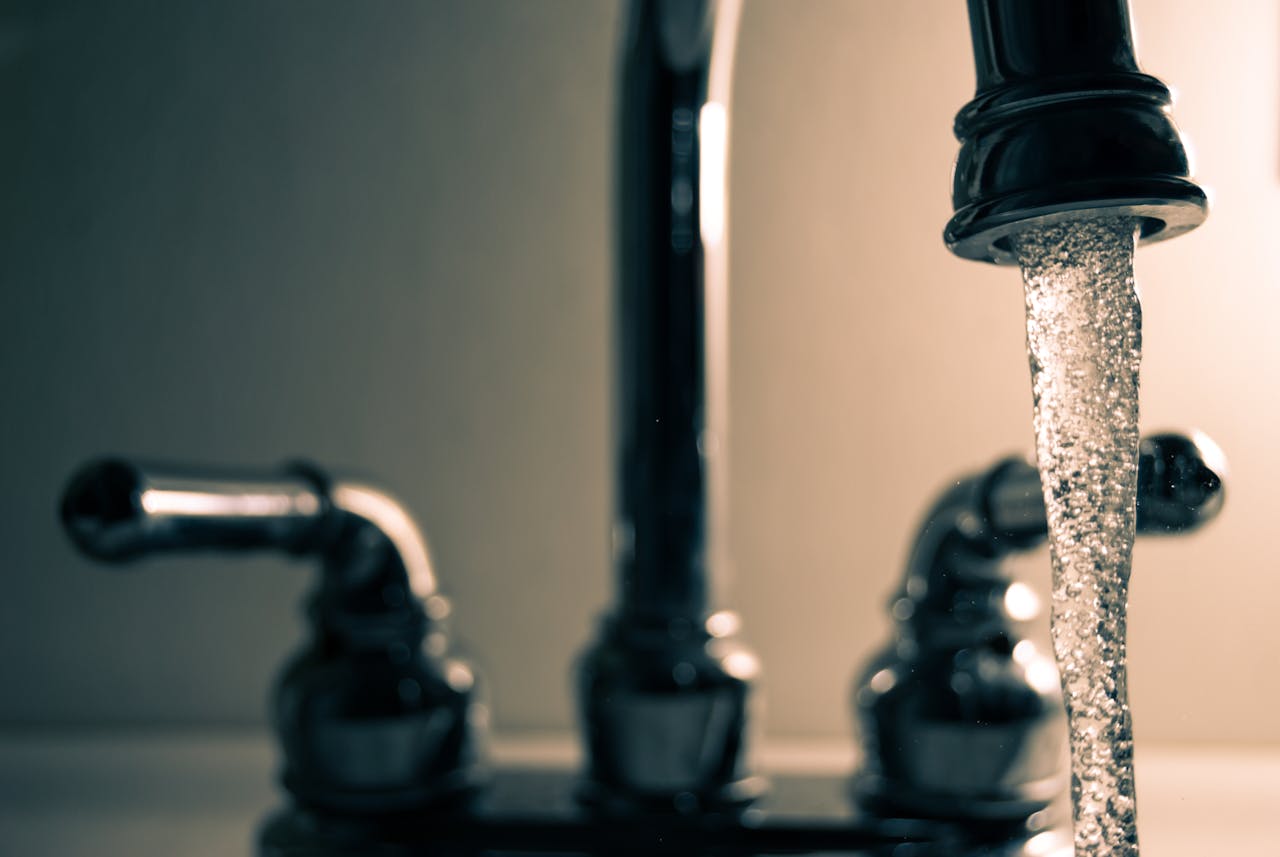
Allow faucets to drip slightly – Running water is less likely to freeze. A slow drip can help relieve pressure in extremely cold conditions.
-
Keep cabinet doors open – In kitchens and bathrooms, opening cabinets allows warm indoor air to circulate around plumbing under sinks.
-
Maintain consistent heating – Avoid lowering indoor temperatures too much during cold nights, even when away from home.
These simple precautions can dramatically lower the risk of frozen pipes and keep plumbing systems operating smoothly throughout winter.
The Importance of Proper Pipe Insulation
Insulation is one of the most effective long-term solutions for preventing frozen pipes. Pipes located in colder areas of a home often lack sufficient protection from freezing temperatures.
Pipe insulation works by slowing heat loss. Even when the surrounding air becomes cold, insulated pipes maintain a more stable internal temperature, reducing the likelihood of freezing.
Different insulation materials are available, including foam sleeves, fiberglass wraps, and specialized thermal pipe tape. Each option provides varying levels of protection depending on the pipe location and environmental conditions.
Many homeowners choose to install basic insulation themselves. However, more complex systems—such as pipes running through exterior walls—may require professional installation. In these cases, qualified Linden Plumbers can identify vulnerable areas and recommend appropriate insulation solutions that provide lasting protection.
What to Do If a Pipe Freezes
Despite preventative efforts, pipes may still freeze during particularly severe weather. Acting quickly and carefully can help prevent the situation from escalating into a burst pipe.
If you suspect a pipe has frozen, follow these general guidelines:
-
Turn on the faucet connected to the frozen pipe to relieve pressure.
-
Apply gentle heat to the pipe using a heating pad, hair dryer, or warm towels.
-
Start warming the pipe near the faucet and move toward the colder section gradually.
-
Never use open flames or blowtorches to thaw plumbing.
If the frozen section cannot be located or the pipe remains blocked, it is best to contact trained professionals who have the proper tools and experience to address the problem safely.
Long-Term Plumbing Protection for Cold Seasons
Preventing frozen pipes is not just about responding to cold weather—it involves planning ahead and maintaining plumbing systems throughout the year.
Routine inspections can identify weaknesses before winter arrives. Cracked insulation, aging pipes, or poorly sealed wall openings all increase the likelihood of freezing during cold temperatures.
Homeowners also benefit from scheduling periodic plumbing assessments. Professionals can examine exposed pipes, water pressure levels, and insulation coverage to ensure everything remains in good working condition.
Regular maintenance helps detect issues early and provides peace of mind during colder months. Many property owners rely on trusted Linden Plumbers for seasonal inspections that identify vulnerabilities before freezing temperatures create serious damage.
Taking proactive steps today can prevent major repairs tomorrow. By insulating pipes, sealing cold air leaks, and monitoring plumbing during winter, homeowners can protect their systems from freezing conditions and maintain reliable water flow throughout the coldest days of the year.