


Are Toyota Seat Covers Worth the Investment? Here’s the Answer
South Africa’s varied driving conditions—from city highways to rugged off-road tracks—can take a toll on your car’s interior. Whether you’re travelling in a Toyota Corolla, heading into the bush with your Fortuner, or transferring freight in a Hilux, securing your cars and truck’s upholstery need to be a leading concern. One of the simplest and most reliable methods to secure your seats is by purchasing Toyota seat covers that are both long lasting and trendy.
Seat covers do more than simply avoid messes and sun damage—they protect your Toyota’s interior stability. This assists preserve a cleaner, more refined appearance and even adds to the car’s resale worth. By including premium covers, you not just secure your initial material however likewise include a customised touch that shows your taste and way of life.
In a nation where red dust, seaside humidity, and extreme sunshine belong to daily driving, Toyota seat covers end up being more than simply devices. They are practical services customized for each kind of chauffeur—from households and travelers to tradespeople and specialists. Depending on your regimen, your cars and truck’s interior may deal with muddy shoes, damp swimsuit, work equipment, or perhaps pet claws, making seat defense a clever and essential upgrade.
Beyond usefulness, these covers enable you to reimagine your cars and truck’s cabin. Whether you lean towards a stylish visual, choose a rugged energy feel, or look for elegant improvement, there’s a product and style for everybody. Toyota seat covers are readily available in a wide range of alternatives, offering you the versatility to match your individual choices while securing your car’s worth.
Why Toyota Seat Covers Are a Worthwhile Investment
Unlike general-purpose covers, model-specific alternatives are created to fit your seats like a glove, guaranteeing complete protection without the frustrating slippage that generic covers typically trigger. This specific fitment is particularly crucial for active security functions like side air bags, which need particular sewing and positioning to release correctly.
Furthermore, selecting the best product is crucial. Some owners choose canvas due to its strength, particularly in workhorses like the Hilux. Others might choose soft-touch neoprene for included convenience throughout long commutes or outside experiences. Then there’s real or artificial leather, which uses a premium feel and is much easier to clean up—best for motorists of high-end designs like the Toyota Prado or Fortuner. Whatever your choice, Toyota seat covers guarantee your initial upholstery remains undamaged and safeguarded under all conditions.
In a nation as lively and differed as South Africa, flexibility in car upkeep is essential. From seaside drives in the Western Cape to video game reserve trips in Limpopo, the surface and environment shift significantly. Toyota seat covers deal that much-needed versatility by supplying services that carry out well throughout all areas and driving situations.
Popular Toyota Seat Cover Options in South Africa
Once you’ve chosen to update, you’ll discover the South African market flooded with options. But not all seat covers are produced equivalent. Here are a few of the most popular types readily available:
Canvas Covers
Durable and weather-resistant, canvas seat covers are perfect for tradespersons and off-road lovers. These are especially favoured by Toyota Hilux and Land Cruiser motorists, as they can hold up against hard environments without tearing or fading quickly.
Neoprene Covers
A softer, more versatile product, neoprene is waterproof and fantastic for households or anybody often heading to the beach. It’s a go-to for lots of Toyota RAV4 and Fortuner owners.
Leather and Leatherette
These bring a touch of high-end while providing useful advantages like simple cleansing and stain resistance. They’re a strong choice for company specialists utilizing designs such as the Camry or Prado for day-to-day travelling.
Custom-Fit Covers
Tailored for a particular Toyota design and trim, these deal a factory-style look and ideal defense. Custom-fit Toyota seat covers make sure a smooth, expert surface that mixes flawlessly with your interior.
Each choice accommodates various way of lives and car usages, however they all share something in typical: improved toughness and interior conservation. Drivers throughout South Africa are turning to these services to keep their Toyotas looking more recent for longer.
Where to Buy Toyota Seat Covers in South Africa
You can buy seat covers from regional car stores, online automobile sellers, or perhaps straight from Toyota dealers. Online platforms typically use comprehensive brochures where you can filter by design, material, colour, and design. Be sure to look for evaluations and item specs before acquiring, particularly if you’re searching for customized alternatives.
Professional setup is hardly ever needed, however if you choose custom-fit or leather covers, having them set up properly will make sure a cleaner outcome. Some business even use mobile fitting services, which is a hassle-free choice for hectic car owners.
As with any cars and truck device, it’s important to stabilize expense with quality. Investing in less expensive, universal-fit covers may look like a deal, however they typically do not have toughness and can interfere with the cars and truck’s look. In contrast, high-end Toyota seat covers are created for durability and visual appeal, providing genuine worth gradually.
The Bottom Line
Upgrading your car with Toyota seat covers is more than a cosmetic option—it’s a useful financial investment in convenience, defense, and long-lasting worth. Whether you’re a weekend traveler, a metropolitan commuter, or a rural tradesperson, seat covers deal an easy option to protect your car’s interior from the needs of life in South Africa.
From canvas to leather, custom-fit to neoprene, the vast array of alternatives guarantees there’s an ideal match for your way of life and car type. So before your next trip, task run, or school drop-off, think about offering your Toyota the upgrade it is worthy of—one that looks great, feels fantastic, and strives to secure what’s below.

Avoiding Expensive Mistakes During Divorce: What Cape Town Lawyers Recommend
Divorce can be one of the most emotionally and financially taxing experiences in life. For many South Africans, the legal costs involved in ending a marriage often come as a shock—especially when fees begin to mount over several months when they don’t secure affordable lawyers in Cape Town. While it’s true that legal representation comes at a price, there are ways to navigate the process without draining your bank account.
People often assume that choosing the cheapest attorney is the key to saving money, but that approach can backfire. Inexperienced lawyers might take longer to resolve matters or miss critical steps, leading to additional expenses later. The better strategy is to work with experienced professionals who are transparent about their rates and committed to helping you reach fair outcomes efficiently.
This is where many turn to affordable lawyers in Cape Town who offer expert advice without sacrificing quality. In fact, several top divorce lawyers in the city have shared useful tips for managing legal costs—insights that could make a big difference in your divorce journey.
Understand What You’re Paying For
Before you even hire an attorney, ask for a clear breakdown of their billing structure. Are they charging per hour, per task, or offering fixed-fee packages? Each method has its pros and cons, and knowing what to expect helps you avoid surprises down the road.
Many people feel intimidated when discussing costs with a lawyer, but transparency is key. Reputable firms—especially those that position themselves as affordable lawyers in Cape Town—are used to these questions and will welcome the conversation. Clarity from the start reduces stress and gives you more control over the process.
You can also reduce expenses by only using your lawyer for matters that truly require legal expertise. For example, administrative tasks like gathering documents or filling out standard forms might be things you can handle yourself.
Get Organised Before the First Consultation
One of the fastest ways to waste legal fees is by showing up to meetings unprepared. Every minute your attorney spends digging through unrelated documents or listening to incomplete stories is a minute you’re being billed.
Here are some things you can do to prepare:
-
Write down a timeline of events in your marriage and separation
-
List your key concerns (custody, assets, spousal support, etc.)
-
Collect all relevant documentation ahead of time (bank statements, marriage certificate, property records)
The more you can hand over in a structured, well-organised way, the less time your lawyer needs to spend piecing things together.
Consider Mediation or Collaborative Divorce
Litigation is expensive. Every court appearance, motion filed, and letter exchanged between opposing lawyers adds to your bill. Alternative dispute resolution methods like mediation or collaborative divorce are often quicker, less hostile, and more cost-effective.
Mediation allows both parties to sit with a neutral third party to work through key issues without involving the courts. Collaborative divorce goes one step further, with both spouses and their lawyers committing to resolve matters outside of court. These options often result in better long-term cooperation—especially important if children are involved.
Many affordable lawyers in Cape Town are trained in these alternative methods and may recommend them as a first step, especially when both spouses are willing to negotiate in good faith.
Don’t Treat Your Lawyer as a Therapist
Divorce is emotionally draining, and it’s natural to need someone to talk to. However, it’s important to remember that lawyers are paid for their legal advice—not emotional support. Using your consultation time to vent about your ex, while understandable, can quickly inflate your bill.
If you need emotional guidance, consider speaking with a therapist or support group. Reserve your lawyer’s time for strategy, documentation, and legal planning. Keeping your meetings focused and professional ensures your legal budget goes where it’s truly needed.
Follow Instructions and Deadlines
Missed deadlines, forgotten documents, and last-minute changes are not only frustrating for your attorney—they also cost you money. Each delay could mean additional hours of work, rescheduling fees, or unnecessary court appearances.
Top divorce lawyers stress the importance of being an active participant in your case. When clients are proactive, reliable, and responsive, the legal process moves faster and more smoothly. That kind of collaboration can significantly reduce your final bill.
In the end, working with affordable lawyers in Cape Town doesn’t mean compromising on quality. It means choosing professionals who know how to streamline the divorce process, avoid unnecessary detours, and put your financial well-being first. With a bit of planning and the right mindset, it’s entirely possible to protect your rights and your wallet.

Top iPhone Repairs You Can Do at Home (And When to Call a Pro)
When your iPhone quits working the method it need to—whether it’s a split screen, a battery that drains pipes too quick, or a glitchy speaker—it’s appealing to turn to YouTube tutorials and repair it yourself. After all, with the right tools and a little bit of persistence, some iPhone repair work appear workable in your home. But how do you understand when to roll up your sleeves and when to hand it over to a pro?
This guide checks out the threats, benefits, and truths of do it yourself repairs compared to expert services, assisting you choose what’s worth dealing with by yourself and what’s much better delegated the professionals.
Understanding the Risk-Reward Ratio of DO IT YOURSELF Fixes
Not all phone problems are produced equivalent. While some repair work are fairly easy and safe to try in your home, others include fragile parts that can quickly be harmed. Before diving in with a toolkit, it’s worth assessing 3 things:
-
Your technical ability level
-
The intricacy of the problem
-
The worth of your gadget
Older iPhones may be more flexible when it pertains to do it yourself repairs. But more recent designs, loaded with sophisticated sensing units and firmly incorporated hardware, leave little space for mistake. Attempting iPhone repairs without experience can void your service warranty or make the issue even worse.
Common iPhone Issues You Can Fix at Home
There are a couple of typical issues that some users may be able to manage, supplied they’re comfy dealing with little electronic devices:
-
Battery Replacement
Replacing an iPhone battery is among the most tried do it yourself repair work. Kits are commonly readily available, and there are lots of detailed tutorials online. But you’ll require a stable hand, persistence, and the right tools—consisting of a heat source to loosen up the adhesive and suction cups to raise the screen securely. -
Cleaning Charging Ports
If your iPhone isn’t charging effectively, dust or lint might be blocking the port. A mindful cleansing with a toothpick or soft brush (never ever a metal things) can fix the problem without expert aid. -
Replacing a Cracked Screen (Maybe)
This one’s difficult. While screen replacement packages exist and the concept of conserving cash is appealing, the procedure is fragile and lengthy. You danger harming the display screen ports or perhaps the finger print sensing unit if you’re not very mindful. It’s frequently much better to let specialists manage this kind of repair work.
Repairs That Are Better Left to the Professionals
Some iPhone repair work need sophisticated abilities, accuracy tools, or access to real Apple parts. In these cases, a do it yourself effort can wind up costing more in the long run.
-
Water Damage
Drying your phone in rice won’t repair internal deterioration or wetness damage. Trained specialists can open the phone, tidy and dry the parts, and test for damage effectively. -
Logic Board Problems
Issues like random restarts, no power, or weird problems frequently originate from reasoning board failures. These repair work need micro-soldering and specialised understanding—certainly not do it yourself area. -
Face ID or Touch ID Failures
Biometric systems are extremely delicate and connected to the phone’s reasoning board. If harmed, they can just be fixed (if at all) by licensed specialists. -
Camera and Sensor Issues
Modern iPhones feature sophisticated multi-lens cam systems and sensing units for things like autofocus and stabilization. Opening the phone and playing with these can trigger positioning problems and additional breakdowns.
Cost Considerations: Is DO IT YOURSELF Really Cheaper?
It’s simple to presume do it yourself suggests conserving cash, however that’s not constantly the case. A correct repair work set for screen or battery replacement can cost anywhere from R500 to R1500 in South Africa. If you slip up or damage the gadget even more, you might be taking a look at a much greater expense for an expert to reverse the damage.
On the other hand, lots of service center provide fairly priced services, and some even provide service warranties or same-day service. In the long term, getting your iPhone repair work done expertly can provide much better worth, particularly for more recent or more pricey designs.
When You Need a Reliable Fix
While a positive user may change a battery or clear out a port, most of severe problems require specialist aid. Whether it’s a split screen that requires exact positioning or water damage that needs internal element cleansing, expert repair work services provide comfort. Many service providers in South Africa now provide same-day pickup or mobile repair work, making it much easier than ever to get your phone working once again without downtime.
Before trying any repair work by yourself, it’s worth getting a quote or evaluation from a service technician. You may discover that the expense distinction isn’t worth the danger, particularly when handling important gadgets you count on day-to-day.
Deciding in between do it yourself and expert repair work has to do with more than simply conserving cash—it’s about securing your financial investment and guaranteeing your phone keeps working the method it should.

Stone That Lasts: Why the Life Of Stone Is Built to Endure
From ancient monoliths to today’s architectural landmarks, natural stone has actually stood as a testimony to endurance, elegance, and artistry. Across South Africa, a nation where standard worths mix effortlessly with modern-day style goals, more house owners and designers are finding the long lasting appeal of the Life of Stone. But this isn’t simply about picking an aesthetically pleasing product — it’s about accepting a way of life rooted in nature, strength, and ageless style.
When we speak about the Life of Stone, we’re describing more than the visual aesthetic of natural products. It represents an intentional style viewpoint — one that values durability, earth-born textures, and a deep connection to the natural world. Stone surface areas are not just useful; they stimulate a sense of permanence and improved taste. Whether integrated into kitchen areas, restrooms, yards, or function walls, stone includes an apparent character that artificial options just cannot reproduce.
In homes throughout the nation, particularly in areas where rising and falling temperature levels and outdoor-indoor living prevail, South Africans are significantly picking products that carry out in addition to they motivate. The Life of Stone makes ideal sense here. Granite counter tops use cool performance, while marble vanities provide an air of luxury. Travertine cladding and sandstone pathways produce serene garden gets away that feel both grounded and glamorous. Each piece, each tile, narrates that covers centuries — crafted by nature, chosen by hand, and brought to life in your house.
Why Natural Stone Works So Well in South African Design
South Africa’s varied environments and differed architectural designs make natural stone a useful and lovely service. In hotter areas, stone floor covering assists manage indoor temperature levels. In seaside homes, stone cladding withstands deterioration and weathering. Mountain retreats, on the other hand, take advantage of the rustic heat of slate or quartzite.
The Life of Stone matches both modern and standard areas — from streamlined city lofts in Cape Town to large farmhouses in the Karoo. Its adaptability enables it to mix with wood, glass, and metal aspects, producing a well balanced visual that is at when earthy and improved. Unlike numerous manufactured surface areas, natural stone doesn’t date rapidly. It grows with your area, establishing character with time.
A Sustainable, Long-Lasting Investment
More than ever, mindful customers are prioritising eco-friendly options. Stone is a natural, sustainable product that needs very little processing. Choosing to live the Life of Stone likewise indicates decreasing your carbon footprint. Unlike laminate or plastic-based surfaces, stone has durability — it’s not something you change every couple of years.
Sourcing regional stone not just supports South African markets and craftsmens however likewise gets rid of the emissions associated with abroad shipping. And since stone ages with dignity, its requirement for repair work or replacement is far lower than the majority of artificial options, making it an affordable option in the long term.
Selecting the Right Stone for Each Space
Different kinds of natural stone serve various functions. Granite stays a popular choice for kitchen areas due to its scratch and heat resistance. It’s suitable for household homes or home entertainment locations. Marble, though more permeable, is ideal for restroom vanities, declaration fireplaces, or sophisticated entranceways.
Quartz — a crafted stone — is significantly being utilized for its consistency and low upkeep appeal. Porcelain pieces, although not technically stone, deal comparable advantages and ultra-modern visual appeals. When used properly, any of these products can enter into your Life of Stone, offered you deal with a knowledgeable installer knowledgeable about regional conditions.
Elevate Your Home With Meaning and Texture
Natural stone doesn’t simply boost a home — it narrates. Each piece is a piece of geological history, formed under the earth’s crust over countless years. When you set up stone surface areas, you bring that tradition into your area. The result is more than lovely; it’s significant.
Let your kitchen area counter tops mention sturdiness and heat. Let your garden courses stimulate serenity and connection to nature. Let your restroom seem like a health spa took of the earth. Embracing the Life of Stone has to do with picking credibility over artificiality, permanence over passing patterns.

Why More Restaurants Are Turning to Wholesale Caviar in South Africa
As the demand for gourmet ingredients increases across South Africa’s high-end restaurants, hotels, and culinary services, caviar remains one of the most exclusive delicacies on offer. Known for its opulence and refined taste, this luxury food is no longer limited to elite markets. Today, businesses of all sizes are seeking access to wholesale caviar in South Africa to satisfy customers who crave sophistication in every bite.
High-quality caviar enhances a dish’s appeal and contributes to a reputation for excellence. Whether you’re plating signature dishes or packaging upscale gift hampers, your choice of supplier matters. Businesses that purchase wholesale caviar in South Africa benefit not only from bulk pricing but also from consistent availability and broader product variety. In competitive markets, sourcing premium-grade caviar helps set your brand apart.
Choosing a trusted distributor for wholesale caviar in South Africa allows you to streamline procurement without compromising on taste, freshness, or traceability. From classic Beluga to sustainable Ossetra and Sevruga options, suppliers offer a wide spectrum of grades and origins. Restaurants, caterers, and food retailers can all take advantage of this luxury product with reliable logistics and tailored supply volumes.
Why Wholesale Caviar Makes Sense for Culinary Businesses
Purchasing caviar in bulk delivers more than just a better price—it offers long-term value and dependability. Hospitality professionals know how critical it is to ensure product availability during peak seasons or special events. By ordering wholesale, chefs and event planners can maintain steady stock while also enjoying flexible purchasing options suited to their operations.
Moreover, wholesale access opens up a more diverse catalogue of caviar types. Suppliers typically carry imported delicacies from Europe and Asia, alongside locally produced varieties farmed right here in South Africa. This selection allows businesses to cater to a broader audience, from purist gourmets to eco-conscious diners seeking sustainable alternatives.
Top-tier caviar also has a short shelf life once opened, so freshness is paramount. By building a relationship with a reliable wholesale provider, you get direct-from-source delivery and cold-chain logistics that help preserve the delicate flavour profile of each bead. The result? A product that arrives in peak condition—ready for immediate use or elegant presentation.
Who Should Be Buying Wholesale Caviar?
A wide range of professionals in the food and hospitality industries stand to gain from sourcing wholesale. For fine-dining establishments, caviar enhances prestige and elevates tasting menus. Whether spooned over blinis, layered into tartare, or served with chilled vodka, it adds unmistakable luxury.
Private chefs and caterers also turn to wholesale supply to meet client demands for exclusive ingredients at weddings, private dinners, and corporate functions. Similarly, high-end grocers, delis, and wine boutiques stock caviar to meet the growing demand for gourmet items that consumers can enjoy at home. Even culinary schools are introducing caviar to students for training in luxury menu development.
How to Choose the Right Supplier
When sourcing wholesale caviar in South Africa, selecting a supplier with integrity is essential. Look for partners who are transparent about sourcing practices, adhere to HACCP food safety standards, and understand the logistics of perishable goods.
Local options are growing in popularity, with several aquaculture farms in South Africa offering high-quality, sustainable caviar. However, many businesses also rely on imported options from traditional producers in Iran, Russia, and parts of Europe. A good supplier will give you access to both, along with clear grading information, storage guidelines, and shipping timelines.
Volume flexibility is equally important. Whether you need small, frequent shipments or large, occasional deliveries, the right supplier should accommodate your specific scale. Nationwide refrigerated delivery should also be non-negotiable—ensuring your caviar maintains its quality from dispatch to delivery.
The Value of Consistent Quality
Ultimately, consistent quality is what turns a first-time customer into a loyal one. By sourcing wholesale caviar in South Africa through experienced suppliers, you ensure that every tin or jar reflects your brand’s dedication to excellence. Whether you’re plating a signature dish, designing a luxury hamper, or creating a culinary teaching module, consistency and flavour are everything.
Consumers today are savvier than ever. They research brands, expect provenance, and are willing to pay more for luxury items that deliver. That’s why maintaining a steady supply of premium caviar—sourced through proper wholesale channels—can positively impact your bottom line and elevate your reputation within the culinary community.
Sourcing wholesale caviar in South Africa is a smart, strategic move for anyone in the culinary or retail space aiming to offer world-class ingredients. From enhancing gourmet plates to curating opulent customer experiences, caviar remains one of the most iconic food items money can buy. With the right supplier, your business can deliver elegance and flavour at scale—making every occasion one to remember.

Cape Town Car Detailing: What You Should Know Before Booking
Cape Town motorists take remarkable pride in their cars – and for great factor. Whether you’re winding through the awesome Chapman’s Peak Drive or browsing the stop-start bustle of Long Street, your vehicle ends up being more than simply transport. It’s a reflection of your way of life. And to keep it looking its finest, vehicle detailing in Cape Town is the supreme option.
A comprehensive lorry doesn’t simply shimmer under the African sun; it narrates of care, attention, and worth. In a city where dust, seaside salt, and unforeseeable weather condition continuously affect your vehicle’s condition, buying a complete detailing service can make all the distinction. That’s why more Cape Town vehicle drivers are turning to this careful service to maintain their lorry’s appeal and efficiency.
What Makes Car Detailing Different?
Unlike a standard vehicle wash that takes on surface-level dirt, car detailing in Cape Town includes a much more detailed procedure. In reality, it’s created to renew and safeguard your lorry inside and out, utilizing innovative tools, professional items, and knowledgeable methods.
From paintwork correction to interior deep cleansing, a great detailing session uses unequaled repair. It’s especially important in a city where ecological direct exposure can trigger progressive wear and tear. Many vehicle owners don’t understand that consistent UV direct exposure, salted sea air, and air-borne contaminants gradually break down a car’s surface and convenience – till it’s far too late. Car detailing in Cape Town supplies a reliable guard versus these components, assisting to keep both visual appeal and resale worth.
More Than Just Looks: Health and Comfort Benefits
Detailing exceeds simply making your vehicle look great. It adds to a much healthier, more enjoyable driving experience. Inside the cabin, collected dust, crumbs, and bacteria can develop in time, impacting air quality and adding to allergic reactions or smells. An appropriate detailing session cleans up every nook and cranny – from air vents to upholstery – leaving your interior sensation fresh and sanitary.
Cape Town’s diverse environment plays an essential function in why this service matters. On one hand, the sea breeze feels fantastic when you’re parked at Camps Bay; on the other, that breeze brings salt particles that adhere to your paint. Add in summertime’s severe sun and winter season’s rains, and your lorry deals with a difficult environment. That’s where vehicle detailing in Cape Town ends up being vital – it’s a proactive action to avoid long-lasting damage.
Mobile vs. Studio Detailing Services
Whether you pick a mobile service that pertains to you or choose a devoted detailing studio, Cape Town uses a lot of alternatives. Mobile detailers are hassle-free for those with hectic schedules or restricted time to go to a store. They bring whatever to your doorstep, consisting of waterless cleansing options or on-site pressure systems. On the other hand, studio detailers frequently use more thorough treatments, consisting of multi-step paint correction, ceramic finishings, and engine bay cleansing utilizing state-of-the-art devices.
How Often Should You Detail Your Car?
For those questioning how frequently to purchase this service, the response isn’t one-size-fits-all. Some Cape Town motorists information their cars seasonally, while others might do so more often depending upon their driving patterns. If you frequently park outdoors, commute along seaside paths, or take pleasure in weekend journey, setting up a detailing every couple of months is recommended. This guarantees your vehicle stays in leading kind, no matter ecological direct exposure.
Choosing the Right Detailing Provider
When selecting a company, quality needs to constantly surpass expense. Look for vehicle detailing specialists in Cape Town with strong consumer evaluations, portfolio images, and clear service descriptions. A dependable detailer will use alternatives beyond a basic wash and wax – consisting of tar elimination, engine degreasing, leather conditioning, and even environment-friendly plans that save water.
Another significant perk of expert detailing is its impact on resale worth. If you’re preparing to update your lorry in the future, keeping it in display room condition can include thousands to its market price. Buyers are much more most likely to purchase a secondhand vehicle that feels and look brand-new, both within and out. That included polish – actually and figuratively – can make your lorry stand apart in a competitive market.
Safety, Value, and Satisfaction
Additionally, detailing improves security. Clean headlights, windows, and mirrors enhance presence, while pristine tires and wheel wells guarantee your lorry functions at its finest. It might appear cosmetic initially look, however the advantages work out beyond looks. That’s another factor vehicle detailing in Cape Town is such a beneficial financial investment – it straight adds to much better driving conditions.
The change an expert information can bring is frequently unexpected. From restoring faded paint to bring back the texture of your seats, the distinction is right away visible. And since detailing is finished with accuracy and persistence, it’s not something quickly reproduced in the house. This is where skilled hands really shine.
Make Your Car Shine in the Mother City
Ultimately, detailing your vehicle has to do with pride, conservation, and efficiency. It improves your day-to-day experience behind the wheel and guarantees that your lorry continues to turn heads – whether parked along Sea Point boardwalk or sliding through the winelands. And in a location as picturesque as Cape Town, your vehicle should have to look simply as spectacular.
A tidy vehicle may be a pleasure, however a comprehensive vehicle is a declaration. That’s why vehicle detailing in Cape Town stays among the most intelligent methods to look after your lorry – and yourself.

How to Choose the Best Water Filter for Your Home Needs
Choosing the perfect water filter for your household can feel overwhelming with so many options available on the market. Whether you’re looking to improve the taste of your tap water or remove harmful contaminants, understanding your specific needs is essential. A water purifier is more than just a device—it’s a safeguard for your family’s health and well-being.
Early in your research, you might come across a variety of brands offering different types of water purification systems. Knowing how to assess these systems will help you invest wisely. For instance, a good water filter doesn’t just trap dirt; it can eliminate bacteria, chemicals, and heavy metals, which is crucial for many South African households facing water quality challenges.
Water quality issues can vary greatly depending on your area. Some regions struggle with high chlorine levels, while others may have bacteria or heavy metal contamination. Testing your household water is the best way to identify the impurities you want to target. Many local labs or home kits can help you with this process.
Types of Water Filtration Systems
There are several water purification systems on the market, each with distinct advantages:
-
Activated Carbon Filters: These reduce chlorine, sediment, and volatile organic compounds. They’re excellent for improving water taste and odor, which is often a concern with municipal water.
-
Reverse Osmosis (RO) Systems: These use a semipermeable membrane to remove dissolved solids, heavy metals, salts, and even some bacteria. RO systems produce very pure water but can waste some water during filtration.
-
UV Filters: Ultraviolet light kills bacteria and viruses but does not remove chemical contaminants. This type is great if your water has microbiological risks.
-
Ceramic Filters: These physically block sediments and pathogens. They’re easy to maintain but less effective against chemicals.
Choosing the right system depends largely on what your water source contains and your specific household needs. Some people combine several systems to maximize purification.
Factors to Consider When Buying a Water Filter
-
Water Quality at Your Source: Understanding what’s in your water helps you pick a filter designed to remove those specific contaminants. If you have municipal water, chlorine removal might be your priority, while borehole water may require bacterial filtration.
-
Household Size: A larger family will use more water daily, so filters with higher capacity and flow rate are important to avoid constant replacements.
-
Installation Requirements: Some filters are simple countertop units, while others require plumbing modifications under the sink or at the water entry point to your home.
-
Maintenance and Filter Replacement: Filters have limited lifespans and need replacing regularly. Factor in ongoing costs and ease of getting replacement cartridges.
-
Certification and Standards: Always check if the product complies with local or international water quality standards to ensure safety and performance.
Benefits of Investing in a Water Purifier
-
Health Protection: Removes harmful contaminants, protecting you from waterborne illnesses.
-
Improved Taste and Odor: Chlorine and other chemicals often make tap water taste unpleasant; a good filter fixes that.
-
Cost-Effective: Over time, having a water purification system can be cheaper than buying bottled water.
-
Environmental Impact: Reduces plastic waste from bottled water.
How to Maintain Your Water Purifier for Long-Term Use
Proper maintenance ensures your water purifier remains effective:
-
Replace filters as recommended by the manufacturer to prevent bacterial buildup or clogging.
-
Clean the external parts and water tanks regularly to keep them hygienic.
-
Monitor water flow rate; a sudden drop may indicate a clogged filter that needs replacing.
-
Schedule professional servicing if your system is complex, such as RO units with multiple stages.
A water filter is a long-term investment in your family’s health, but it requires attention and care. Choosing the right system tailored to your household needs and local water quality is the first step toward enjoying clean, safe drinking water every day.

Choosing Between Voluntary Sequestration and Voluntary Insolvency for Debt Relief
When debt becomes overwhelming and creditors begin knocking, many individuals and businesses start exploring legal options to deal with financial distress. Among the most common terms you’ll encounter are voluntary insolvency, voluntary sequestration, and voluntary liquidation. Although these phrases are often used together or confused with one another, they each refer to very specific legal processes, and knowing the difference can make all the difference in choosing the right solution.
What Is Voluntary Insolvency?
Voluntary insolvency is the broader term used when a person or a company acknowledges they can no longer pay their debts. It refers to the decision to voluntarily enter into a legal process to address this financial position, rather than waiting for creditors to force legal action.
For individuals, voluntary insolvency may lead to voluntary sequestration, while for companies, it often results in voluntary liquidation. Essentially, voluntary insolvency is the state of being insolvent, and it is the gateway to taking control of your debt situation before it spirals further out of control.
Understanding Voluntary Sequestration
Voluntary sequestration is a legal process that applies specifically to individuals or sole proprietors in South Africa. It involves applying to the High Court to be declared insolvent. The person essentially hands over their estate to a court-appointed trustee, who takes control of all assets, sells them, and uses the proceeds to pay creditors.
This is not a decision to take lightly, but it can provide powerful debt relief. Once the process is complete, and depending on the circumstances, the person may be released from most debts and can apply for rehabilitation after a few years. This offers a chance for a fresh financial start, although the individual’s credit record will be affected for a time.
Voluntary sequestration is ideal for someone who simply cannot repay their debts and is seeking legal protection from further legal action by creditors.
Where Voluntary Liquidation Fits In
Voluntary liquidation is the business equivalent of voluntary sequestration. It is a process where a financially distressed company chooses to wind up its affairs in an orderly manner. This decision is typically made by the directors or shareholders, who acknowledge the company’s inability to meet its financial obligations.
During voluntary liquidation, a liquidator is appointed to sell the company’s assets and use the proceeds to pay off creditors. Once the liquidation is complete, the company is deregistered and ceases to exist.
It is important to note that voluntary liquidation only applies to companies and not individuals. It is also distinct from forced or compulsory liquidation, which happens when creditors take legal action to have a business wound up against its will.
Voluntary Insolvency vs. Voluntary Sequestration: Key Differences
One of the main differences between voluntary insolvency and voluntary sequestration is that voluntary insolvency is a broader term that applies to both individuals and businesses, while voluntary sequestration is a specific legal process for individuals.
In voluntary sequestration, the individual initiates a formal court process and hands over their estate to a trustee. The goal is to settle debts as far as possible and be released from the burden of ongoing creditor pressure. It’s a personal process and not applicable to companies.
Voluntary insolvency, on the other hand, is the general state of financial failure that could apply to any entity. It’s the recognition that debts cannot be paid as they fall due. What happens next—whether it’s voluntary sequestration for a person or voluntary liquidation for a company—depends on the legal structure and the circumstances of the case.
Making the Right Choice
Choosing between voluntary insolvency, voluntary sequestration, and voluntary liquidation depends on whether you’re dealing with personal or business debt, and what outcome you’re hoping to achieve.
If you’re an individual facing relentless debt and legal action, voluntary sequestration may be the right solution to get legal protection and a path to recovery. If you’re a business owner and the company can no longer pay its bills, voluntary liquidation might be the best way to wrap up affairs responsibly and lawfully.
Both processes fall under the broader umbrella of voluntary insolvency and represent a proactive approach to an otherwise reactive situation. Rather than waiting for creditors to sue or attach assets, you take the first step toward resolution. Financial failure can happen to anyone or any business, but how you respond can shape your future. By understanding the difference between voluntary insolvency, voluntary sequestration, and voluntary liquidation, you can take informed steps toward relief, stability, and eventually—recovery.
If you’re unsure which route is best for your situation, it’s always advisable to consult a legal or insolvency professional. The sooner you act, the more control you retain over your financial future.
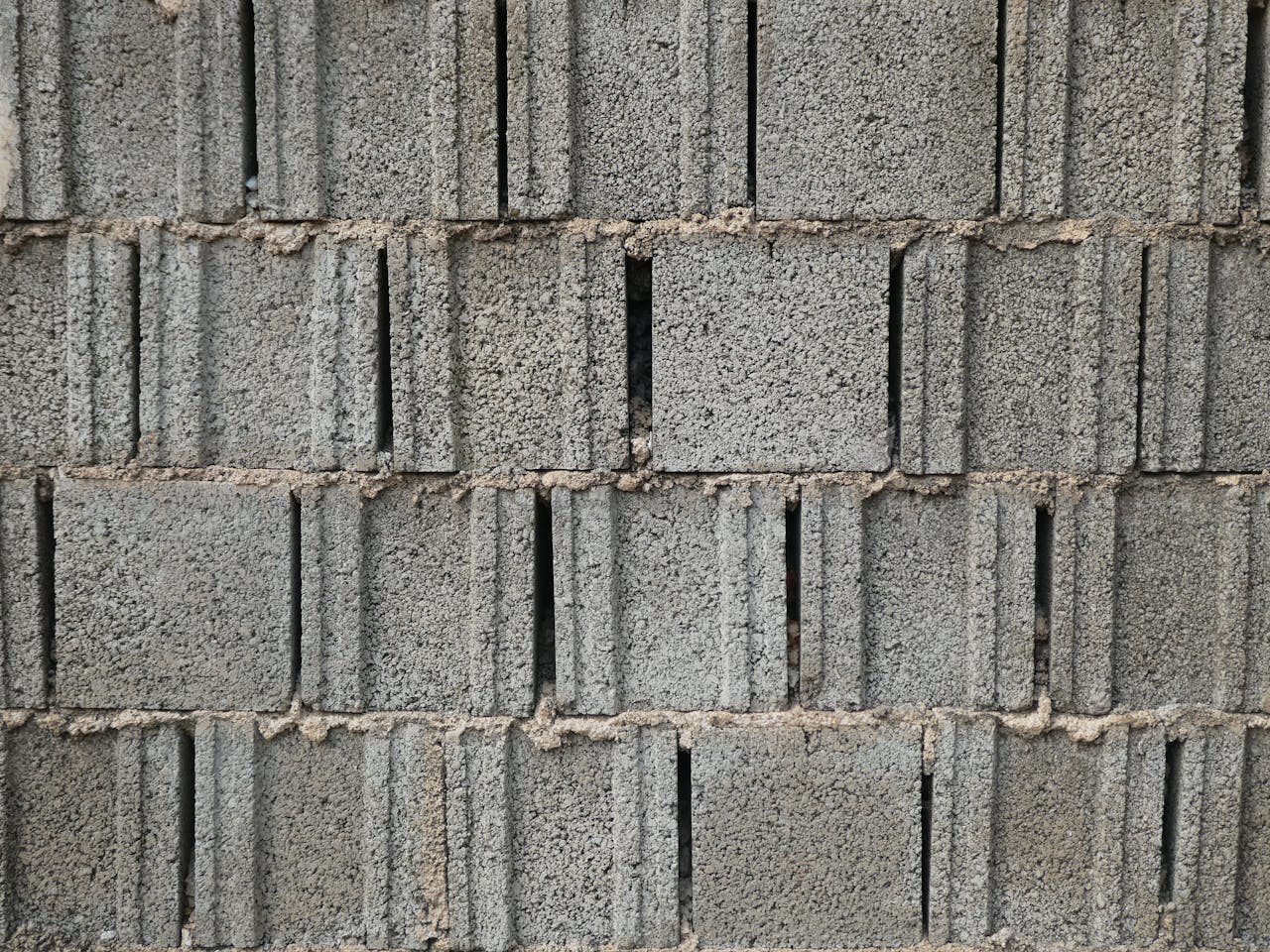
How Lightweight Concrete Blocks South Africa Are Transforming Modern Construction
The construction industry in South Africa is undergoing a major transformation, driven by the need for innovation, sustainability, and efficiency. Among the most promising developments reshaping the sector are lightweight concrete blocks South Africa. These modern building materials are not only changing the way structures are designed and built but also offering long-term environmental and economic benefits that traditional concrete cannot match.
The Shift Towards Sustainable Construction
As environmental concerns grow, there has been an increasing demand for sustainable construction materials South Africa. Builders, architects, and developers are under pressure to reduce carbon footprints while delivering high-quality, durable structures. In this context, lightweight concrete blocks have emerged as a game-changer.
Lightweight concrete blocks are significantly less dense than conventional concrete blocks, which makes them easier to handle, quicker to install, and less taxing on transportation and structural frameworks. But their benefits go beyond ease of use. These blocks often incorporate eco-conscious components like recycled polystyrene concrete, turning construction waste into valuable resources.
The Rise of Recycled Polystyrene Concrete
One of the most exciting innovations in the industry is recycled polystyrene concrete. This material combines cement with granulated, recycled polystyrene—commonly found in packaging waste—to create a lightweight yet robust building block. The result is a product that reduces landfill waste and lessens the demand for natural resources traditionally used in construction.
In South Africa, where construction and demolition waste pose a serious environmental issue, recycled polystyrene concrete offers a much-needed solution. It not only keeps polystyrene out of landfills but also results in a block that has excellent insulation properties, helping to regulate indoor temperatures and reduce energy consumption in buildings.
Liteconcrete Products: Leading the Innovation
One of the key players in this transformation is Liteconcrete products, a company committed to manufacturing environmentally responsible and high-performance building solutions. Their range of lightweight concrete blocks and panels are gaining traction among developers looking to cut costs without compromising on quality or strength.
Liteconcrete products offer exceptional versatility. Their lightweight nature makes them ideal for a wide range of applications—from residential homes and commercial buildings to schools and community centres. By embracing these innovative blocks, developers can speed up construction timelines, reduce manual labour requirements, and save on logistics costs.
Benefits of Lightweight Concrete Blocks in Construction
The adoption of lightweight concrete blocks South Africa is driven by a wide range of benefits, both practical and environmental:
-
Faster Construction Time
The reduced weight of these blocks allows for quicker stacking and less physical strain on workers, accelerating project completion. -
Improved Thermal Efficiency
Lightweight blocks with polystyrene offer better thermal insulation, reducing the need for artificial heating and cooling. This aligns perfectly with energy efficiency goals. -
Cost-Effective Transport and Installation
Being lighter in weight means fewer trips to transport materials and reduced use of heavy lifting equipment on-site. -
Environmentally Friendly
With the use of eco-friendly building materials South Africa, such as recycled polystyrene, the overall environmental impact of construction is significantly reduced. -
Structural Integrity
Despite being lighter, these blocks are engineered to be durable and strong, meeting building codes and structural requirements.
Eco-Friendly Building: A Growing Trend
More developers and homeowners are now demanding eco-friendly building materials South Africa that contribute to long-term environmental sustainability. Whether it’s for residential, commercial, or public infrastructure, the trend is clear: green building is the future.
Lightweight concrete blocks align with this vision perfectly. Their use supports green certification programs and can even contribute to compliance with South African National Standards (SANS) for energy efficiency in buildings. They’re not just a niche product—they are becoming an industry standard.
A Smarter Choice for the Future
In conclusion, the adoption of lightweight concrete blocks South Africa marks a pivotal moment in the construction industry. These blocks, especially when made from recycled polystyrene concrete, are proving that strength, sustainability, and cost-efficiency can go hand in hand. With companies like Liteconcrete products leading the charge, the future of building is lighter, smarter, and greener.
As the demand for sustainable construction materials South Africa continues to rise, it is clear that innovative solutions like lightweight concrete blocks are not just a passing trend—they are revolutionising the way we build. Embracing these eco-friendly building materials South Africa is more than a wise business decision; it is a commitment to a more sustainable and responsible future for all.

Cutting Project Expenses Through Effective Geotechnical Drilling
In massive building jobs, handling spending plans is as important as providing on quality and security. With millions—in some cases billions—of rands at stake, every choice made throughout the early stages of advancement can substantially affect a task’s bottom line. One of the most intelligent financial investments throughout the preparation and style phase is geotechnical drilling.
Although geotechnical drilling is in some cases considered as an in advance expense that can be reduced or postponed, the truth is that it is a cost-saving technique in the long run. By exposing important details about subsurface conditions, geotechnical drilling helps in reducing threat, avoid structural failures, prevent expensive hold-ups, and assistance effective engineering style.
Understanding the Purpose of Geotechnical Drilling
Geotechnical drilling is the procedure of tiring into the earth to gather soil and rock samples. These samples are checked and examined to figure out residential or commercial properties such as soil strength, density, wetness material, and bearing capability. The details collected is utilized by geotechnical engineers to evaluate the viability of the website for building and to develop structures and other structural components that are safe, steady, and affordable.
In essence, geotechnical drilling supplies the information that supports notified decision-making before and throughout building.
Avoiding Costly Surprises
One of the greatest monetary dangers to any massive building task is the unforeseen. Hidden subsurface conditions such as soft soils, high groundwater levels, or buried particles can result in hold-ups, redesigns, and even structural failure if not determined early. These problems frequently include significant cost.
By performing extensive geotechnical drilling before building starts, designers and engineers can recognize these problems beforehand. This allows them to adjust the task style appropriately—picking the suitable structure type, enhancing weak zones, or changing the task design—to prevent mid-project corrections that can drain pipes spending plans.
Designing Efficient Foundations
Foundations represent a significant part of building expenses, particularly in massive jobs. Overdesigning structures wastes products and cash, while underdesigning causes structural instability and pricey restorative work. Geotechnical drilling supplies the information essential to strike the ideal balance.
Accurate soil and rock details enables engineers to determine precisely what type of structure is required—whether it’s a shallow spread footing, deep stack structure, or something more specialized. With this insight, they can prevent unneeded overengineering and make sure security without investing more than essential.
Reducing Construction Delays
Time is cash in building. Delays not just increase direct expenses like labor and devices leasing however can likewise set off charges and harm a designer’s credibility. Delays frequently take place when unpredicted website conditions require work to stop while brand-new services are established.
With geotechnical drilling, the possibility of coming across such surprises drops significantly. Crews can work more with confidence and effectively with a well-understood ground profile. As an outcome, the task remains on schedule, and the monetary losses related to downtime are reduced.
Enabling Smarter Material Choices
Construction products are chosen based upon site-specific requirements. Without reputable information, professionals may utilize pricey products as a safety measure—simply in case the soil is weaker than anticipated. Geotechnical drilling gets rid of the uncertainty.
By understanding the precise structure and strength of the subsurface, home builders can pick products customized to the website, frequently at a lower expense. For circumstances, understanding that soil conditions are steady might permit using basic products instead of high-performance options.
Improving Safety and Reducing Liability
Safety is not simply an ethical and legal duty—it’s likewise a monetary issue. Injuries, mishaps, and structural failures can lead to claims, insurance coverage claims, and extra expenses. Poor ground conditions are a leading reason for mishaps on building websites, from trench collapses to devices instability.
Geotechnical drilling assists get rid of these risks by offering a clear image of the subsurface environment. With this understanding, security strategies can be established with accuracy, lowering threats and the associated expenses of mishaps and insurance coverage premiums.
Long-Term Financial Benefits
The advantages of geotechnical drilling don’t end when building is finished. A strong structure and precise soil evaluation add to the long-lasting toughness of a structure. Buildings built on well-understood ground conditions are less most likely to struggle with settlement, breaking, or structure problems—all of which can be expensive to fix.
For big facilities like bridges, airports, business towers, and commercial centers, these long-lasting cost savings are indispensable. Investing in geotechnical drilling in advance translates to minimized repair and maintenance expenses in the future.
In the world of massive building, the expense of failure is far higher than the expense of preparation. Geotechnical drilling might appear like a technical or auxiliary service, however in truth, it’s a tactical monetary tool. By offering precise details about subsurface conditions, it enables smarter style, less hold-ups, enhanced security, and minimized waste.
Ultimately, geotechnical drilling is not practically comprehending the ground—it’s about constructing strong structures for effective, on-budget jobs.